Solar panels in Dartford
Solar panels in Dartford: 2026 costs, savings and payback, planning rules for conservation areas and Ebbsfleet, grants, and quotes from MCS installers.
4 kW
Typical home system (9 panels)
£6,500 to £7,400
Estimated installed cost, panels only
4,190 kWh
Estimated yearly generation, south-facing roof
£652 a year
Estimated bill saving plus export income (£802 with a battery)
Estimates for Dartford from our calculator assumptions. Your figures depend on your roof, usage and tariff.
Get up to 3 quotes from MCS-certified installers
Free, no obligation, takes about a minute.
Thanks, you're all set
An installer will be in touch, usually within 2 working days.
Covers Dartford, Swanscombe, Greenhithe, Ebbsfleet and surrounding villages.
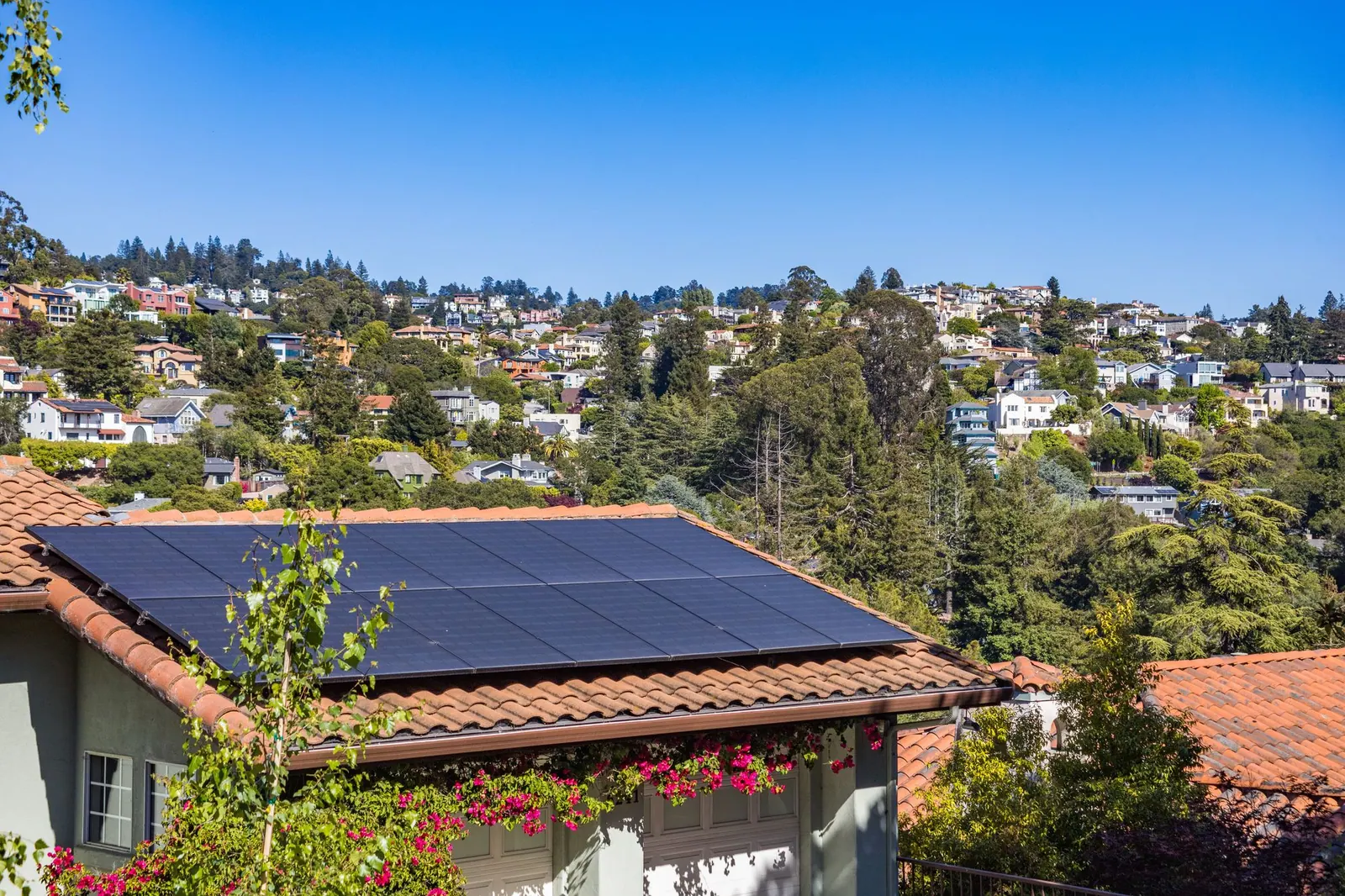
Solar panels in Dartford cost about £6,500 to £7,400 for a typical 4 kW system and save around £660 a year on a south-facing roof, once you count export payments. That works out at a payback of about 10 to 11 years. The EU’s PVGIS data gives Dartford 1,057 kWh per kW of panels a year, a little more than central London and around a fifth more than Manchester.
Most homes in Dartford, Swanscombe, Greenhithe and Ebbsfleet Garden City can fit panels without planning permission. The exceptions are listed buildings, parts of Dartford’s six conservation areas, and some new-build estates where the developer’s planning conditions or the management company have a say. This page sets out the numbers and rules so you know what to ask before you get quotes.
Solar panels in Dartford: costs and savings by roof direction
We worked these figures out for a typical three-bedroom home using 2,500 kWh of electricity a year (Ofgem’s medium typical use), paying the October to December 2026 Ofgem price cap rate of 26.32p per kWh, and exporting spare power at 12p per kWh, the rate several large suppliers paid their own customers when we checked on 24 November 2026. We assume a quarter of the output is used at home without a battery.
| System and roof | Installed cost | Yearly output | Yearly benefit | Payback |
|---|---|---|---|---|
| 4 kW, south-facing | £6,500 to £7,400 | about 4,230 kWh | about £660 | 10 to 11 years |
| 4 kW, south-east or south-west | £6,500 to £7,400 | about 3,970 kWh | about £620 | 10.5 to 12 years |
| 4 kW, flat roof on frames | £6,500 to £7,400 | about 3,510 kWh | about £550 | 12 to 13.5 years |
| 4 kW, east or west-facing | £6,500 to £7,400 | about 3,340 kWh | about £520 | 12.5 to 14 years |
| 4 kW, south-facing, with 5 kWh battery | £9,000 to £11,400 | about 4,230 kWh | about £810 | 11 to 14 years |
| 6 kW, south-facing | £9,800 to £10,300 | about 6,340 kWh | about £990 | about 10 years |
Costs come from the Department for Energy Security and Net Zero’s solar PV cost data for 2025/26, published on 28 May 2026, using South East prices for MCS-certified installations. Battery prices are from Which? and supplier price lists checked in November 2026. There’s 0% VAT on installed panels and batteries until 31 March 2027, after which it rises to 5%, so a system fitted in spring 2027 could cost a few hundred pounds more.
Three things move these numbers more than anything else:
- How much you use in the day. If someone is home during the day, or you charge an electric car on sunny weekends, you’ll use more of your own power at 26.32p instead of exporting it at 12p.
- Your export tariff. Standalone Smart Export Guarantee tariffs can pay as little as 2p to 6p. Choosing a 12p or better tariff from your own supplier adds around £200 to £250 a year to a 4 kW system’s value.
- Shading. A chimney, a dormer or a neighbour’s extension can cut output by more than a poor roof direction. Ask for a shade analysis with your quote.
Try your own roof and usage in our solar calculator, or read our solar panel cost guide and solar and battery cost guide.
How much electricity solar panels make in Dartford
These are estimates for a 4 kW south-facing system in Dartford at a 35 degree tilt, based on PVGIS 5.3 data for the town and the monthly pattern PVGIS gives for Kent.
| Month | Output | Month | Output |
|---|---|---|---|
| January | 157 kWh | July | 517 kWh |
| February | 214 kWh | August | 465 kWh |
| March | 353 kWh | September | 401 kWh |
| April | 480 kWh | October | 283 kWh |
| May | 504 kWh | November | 194 kWh |
| June | 515 kWh | December | 145 kWh |
| Year | about 4,230 kWh |
From April to September, a 4 kW system makes well over 400 kWh a month, which is more than a typical three-bedroom home uses in that time. Most of it gets exported unless you have a battery, an electric car or a hot water diverter. From November to January it makes 145 to 195 kWh a month, enough to trim your bill but not cover it.
Dartford’s position on the Thames estuary helps. At 1,057 kWh per kW, it sits about 4% above the PVGIS figure for central London (1,019 kWh) and well above Birmingham (968) and Manchester (886). It’s slightly behind the sunniest parts of Kent, such as Thanet and the coast around Faversham.
Planning permission for solar panels in Dartford
Most of the borough’s planning decisions are made by Dartford Borough Council. In the Ebbsfleet area, the planning authority is Ebbsfleet Development Corporation instead (see below).
Rooftop solar on a house is usually permitted development in England, meaning you don’t need to apply. On a pitched roof, panels mustn’t stick out more than 20 cm from the roof surface or rise above the highest part of the roof, and they should be sited to keep their visual impact down. Panels on a flat roof need prior approval from the council, and panels on a wall facing a road aren’t allowed in a conservation area without permission.
Dartford’s six conservation areas
Dartford Borough Council lists six conservation areas:
| Conservation area | Where it is |
|---|---|
| Dartford Town Centre | The historic town centre; the council describes it as the largest in the borough |
| Greenhithe | The old riverside village around the High Street |
| Southfleet | Southfleet village |
| Red Street | Red Street, Southfleet |
| Hook Green | Hook Green, near Southfleet |
| Church Hill, Wilmington | Church Hill in Wilmington |
The Dartford Town Centre Conservation Area was first designated on 31 October 1980, according to the government’s planning data service. It covers most of the commercial centre, so it affects flats above shops and older town centre houses more than suburban streets.
The council’s Greenhithe Conservation Area Appraisal (August 1998) says the area was designated in 1975 and extended in 1998. It describes small buildings of yellow stock brick with steeply pitched, dark plain tiled roofs, along with Georgian houses, Victorian terraces and timber-framed cottages such as Neptune Cottages, and recommends that changes respect those traditional roof forms. You can read it on the council’s area appraisals and guides page.
The appraisals for the four village conservation areas date from 1998 and 1999. None of the council documents we read gives specific guidance on solar panels, so if you live in a conservation area, ask your installer to keep panels on a rear or side slope where possible and to check with the council before work starts.
Article 4 directions in Dartford
An Article 4 direction removes some permitted development rights, so work that’s normally allowed needs an application. Dartford’s list of Article 4 directions includes:
- Properties in the Greenhithe Conservation Area
- 31 to 35 West Hill, Dartford
- 73 to 87 West Hill, Dartford
- Rear of Stanley Cottages
- Darenth Wood
- A direction covering houses in multiple occupation in the north of the borough
The Greenhithe direction is the one most likely to affect a homeowner thinking about solar, but the document is a scanned image and we couldn’t confirm exactly which rights it removes. If your house is in the Greenhithe Conservation Area, check with Dartford’s planning team before you sign a contract. The West Hill directions cover specific numbered houses only.
Listed buildings
Panels on a listed building need listed building consent, and usually planning permission as well, wherever the building is. You can check whether a house is listed on Historic England’s National Heritage List or on the council’s map. If yours is, panels on a garage, a ground mount in the garden or a plug-in kit can be easier routes.
Solar panels in Ebbsfleet Garden City and new-build estates
Ebbsfleet Garden City spans parts of Dartford and Gravesham, including Swanscombe, the edge of Greenhithe and the new neighbourhoods around Ebbsfleet International station, such as Castle Hill and Alkerden. Under the Ebbsfleet Development Corporation (Planning Functions) Order 2015, Ebbsfleet Development Corporation is the local planning authority for its development area, so any solar application there goes to EDC rather than Dartford Borough Council.
What this means if you live on one of these estates:
- Check whether you already have panels or are solar-ready. Some recent schemes include panels or wiring for them. Look at your home’s EPC and the developer’s handover pack.
- Read your planning conditions. Some new-build permissions remove permitted development rights for roof alterations. Your conveyancing documents or EDC’s planning register will show this.
- Check the management company and covenants. Estate rules can require consent for external changes even when planning permission isn’t needed.
- Mind the warranty. If your home is still under a new-build warranty, ask the warranty provider whether fixing to the roof affects cover, and use an MCS installer who will give you an insurance-backed guarantee.
We couldn’t find an official EDC policy that requires solar panels on every new home, so we haven’t claimed one. Nationally, the government says the Future Homes Standard, published on 24 March 2026, comes into force on 24 March 2027 and that solar panels will be included on the majority of new homes after that.
Dartford homes and roofs
Housing across the borough falls into a few broad types, and each suits solar differently:
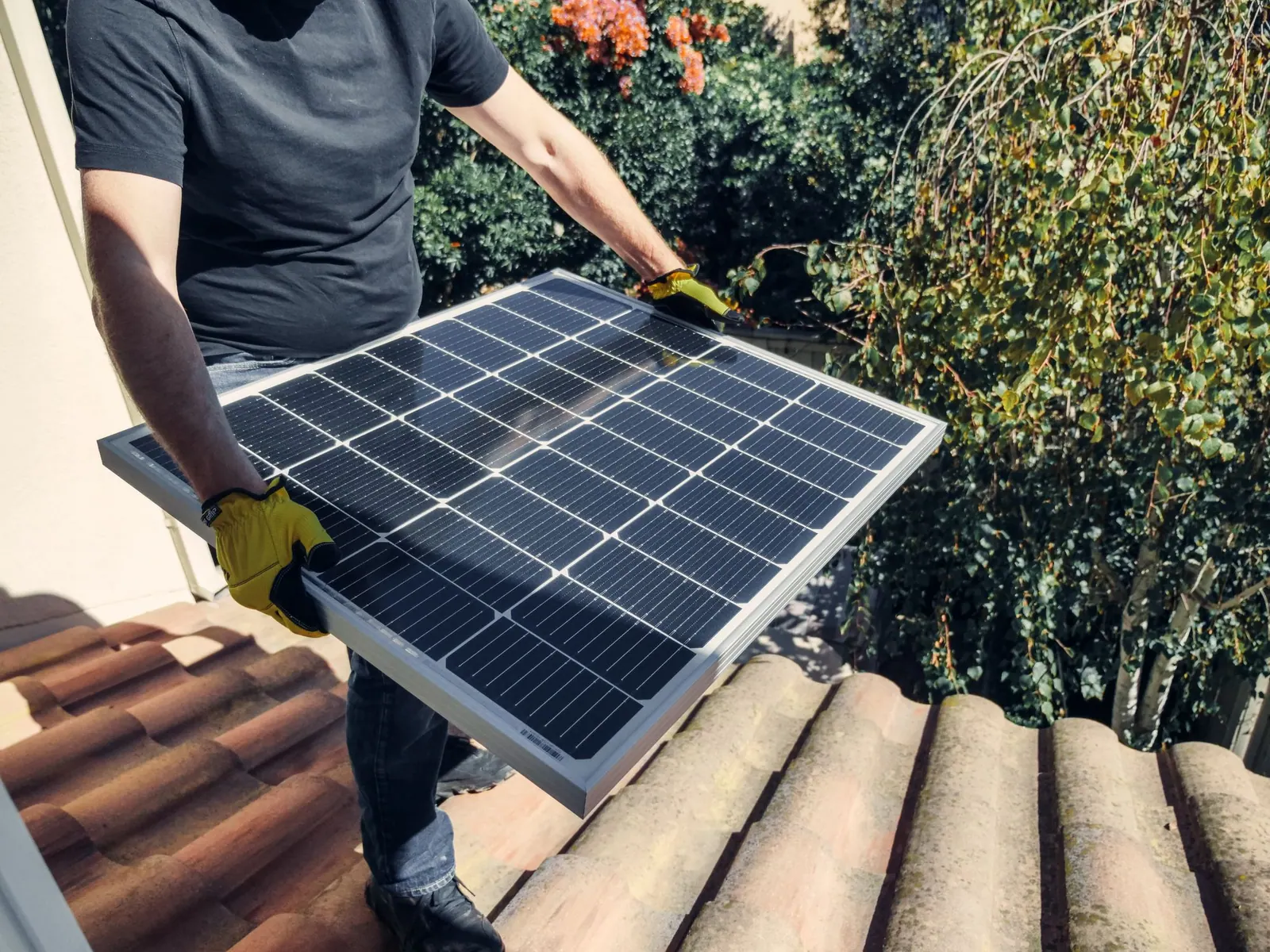
- Victorian and Edwardian terraces in central Dartford, West Hill and older parts of Swanscombe and Greenhithe. Rear roof slopes are often smaller and broken by chimneys and back additions. Expect room for 6 to 8 panels, and ask about optimisers or microinverters where part of the roof is shaded.
- Interwar and postwar semis in areas such as Wilmington, Joydens Wood and Stone. These usually have simple hipped or gabled roofs with concrete tiles, which are quick to work on and fit 8 to 12 panels.
- New-build estates at Ebbsfleet, The Bridge, Stone and the Greenhithe riverside. Roofs are often modern interlocking tiles and easy to fix to, but some are shallow or split by dormers, which limits space.
- Flats and maisonettes. You’ll need the freeholder’s consent for rooftop panels. A plug-in kit on a balcony is often the realistic option.
Plain clay tiles, like those described in the Greenhithe appraisal, are more fragile than concrete tiles. If you have them, ask your installer how they’ll lift and refix tiles, and whether they’ll replace any breakages with matching tiles.
Grants and help with solar costs in Dartford
- Warm Homes: Local Grant. In Dartford this is run by Dover District Council with Dartford Borough Council. When we checked on 24 November 2026, Dover wasn’t accepting new applications, and Year 3 funding is due from 1 April 2027. It’s for lower-income households in homes with poor energy ratings. See gov.uk for eligibility.
- ECO4. Households on qualifying benefits or low incomes in homes rated EPC D to G may get solar funded through an energy supplier until the scheme closes on 31 December 2026.
- Switch Together Kent. This council-backed group-buying scheme, formerly Solar Together and run by iChoosr with Kent County Council, covers all 12 Kent districts plus Medway. The 2026 round opened on 23 February 2026 and has now closed. See our Switch Together Kent guide for how it works.
- 0% VAT on installed panels and batteries until 31 March 2027.
There’s no general grant that pays for solar on an ordinary owner-occupied home. Read our solar panel grants guide for who qualifies for what, and our guide to free solar panels before you sign anything advertised as free.
Choosing a solar installer in Dartford
Dartford sits on the London border, so you’ll get quotes from Kent firms and from installers based in south-east London and Essex. Wherever they’re based, a good installer should:
- be MCS-certified, which you need to get export payments under the Smart Export Guarantee
- belong to RECC or HIES, for deposit protection and an independent complaints route
- give an insurance-backed workmanship warranty, so you’re covered if the firm stops trading
- give a written quote with the panel and inverter models, the expected yearly output for your roof and a shading assessment
- check conservation area, Article 4 and estate rules for you, and tell you if anything needs an application
- handle the paperwork with UK Power Networks, the network operator for Kent: G98 notification after fitting for most home systems, or G99 approval in advance for larger systems and some batteries
Get at least three written quotes. Be wary of door-to-door sales, quotes that only last until the end of the day, and anyone who won’t put the expected output in writing. Read our guide to choosing a solar installer in Kent for what each accreditation means and how the job works from survey to switch-on.
Is a battery worth it in Dartford?
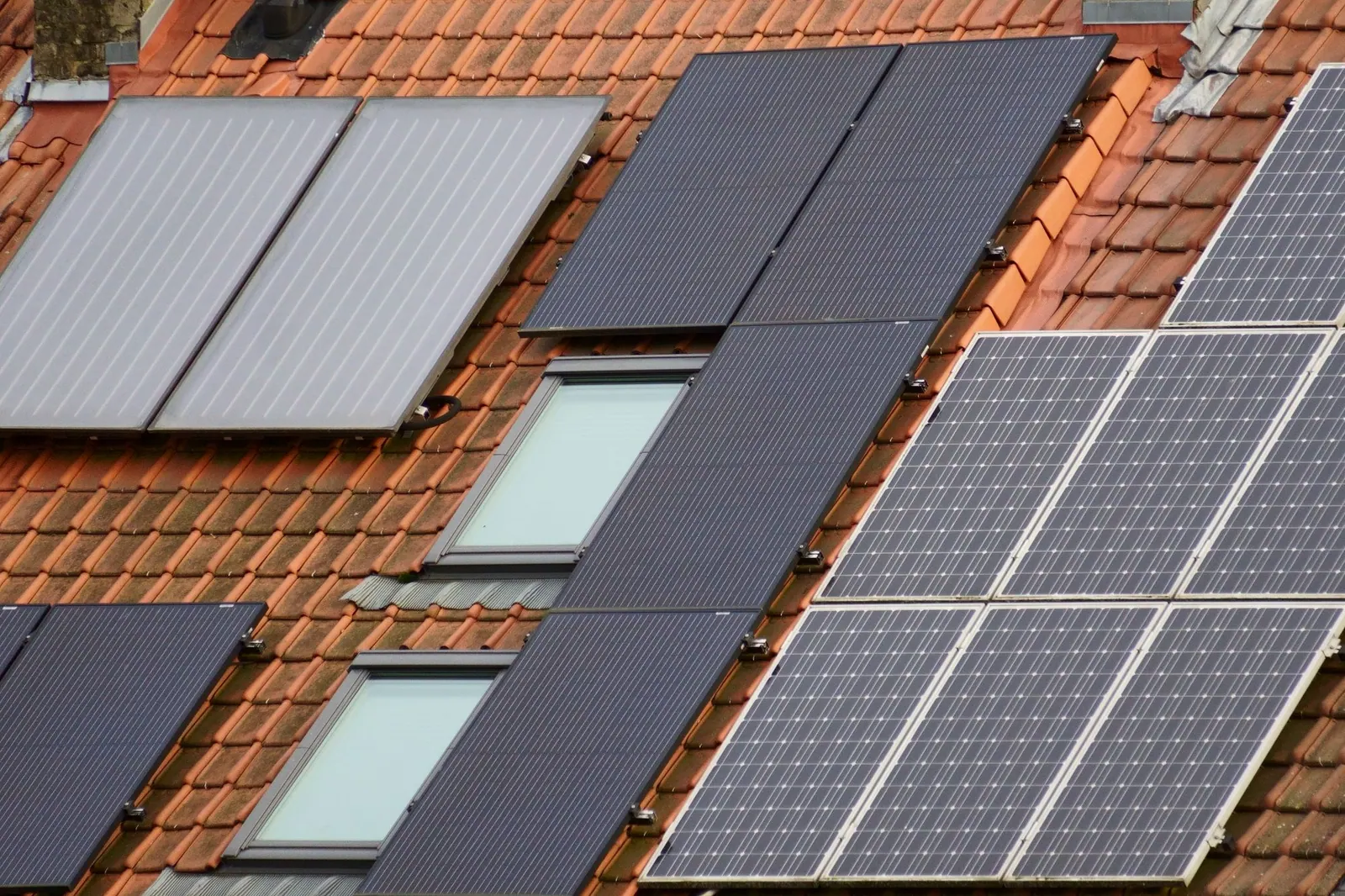
A battery stores spare daytime power for the evening, when you’d otherwise buy it at 26.32p. On our figures, a 5 kWh battery adds around £150 a year to a 4 kW system’s value for a typical three-bedroom home. That’s not a fast payback on its own. Batteries pay back better if you also:
- switch to a time-of-use tariff and charge the battery cheaply overnight in winter, when panels make little
- have high evening use, such as cooking, laundry and a heat pump
- are fitting it at the same time as the panels, which saves on labour and scaffolding
Read our solar battery cost guide for current prices and our pick of the best home batteries.
Flats, rentals and listed homes
If you rent, live in a flat or own a listed house, rooftop panels may not be an option. An approved plug-in solar kit on a balcony, a sunny wall or in the garden can still take a slice off your bill, with no roof work. Only use a kit on the approved list, with no built-in battery and an inverter of no more than 800 VA, and check whether plug-in solar is legal for your home first. Our guide to solar for flats and renters covers landlord permission and leases.
Areas we cover around Dartford
We pass quote requests to MCS-certified installers covering the whole of Dartford borough, including Dartford town, Swanscombe, Greenhithe, Ebbsfleet Garden City, Stone, Wilmington, Joydens Wood, Bean, Darenth, Sutton-at-Hone, Hawley, Southfleet, Longfield and New Barn, across the DA1, DA2, DA3, DA9 and DA10 postcodes. Use the form at the top of this page and we’ll find installers who cover your postcode. Read how our quote service works.
Nearby, see our pages for Gravesham, which covers Gravesend and the Kent Downs villages, and Sevenoaks.
Sources
Figures on this page come from PVGIS 5.3 (EU Joint Research Centre), Ofgem’s price cap for October to December 2026, Ofgem’s typical domestic consumption values, the Department for Energy Security and Net Zero’s 2025/26 solar PV cost data, HMRC guidance on VAT for energy-saving materials, Dartford Borough Council’s conservation area pages, Greenhithe Conservation Area Appraisal (August 1998) and list of Article 4 directions, the government’s planning data service, the Ebbsfleet Development Corporation (Planning Functions) Order 2015 and the government’s Future Homes Standard factsheet. Checked on 24 November 2026.