Solar panels in Margate, Ramsgate and Broadstairs
Solar panels in Margate and Thanet: 2026 costs and savings, coastal fitting advice, conservation area rules, the Warm Homes grant and free local quotes.
3.5 kW
Typical home system (8 panels)
£5,800 to £6,500
Estimated installed cost, panels only
3,940 kWh
Estimated yearly generation, south-facing roof
£614 a year
Estimated bill saving plus export income (£755 with a battery)
Estimates for Thanet from our calculator assumptions. Your figures depend on your roof, usage and tariff.
Get up to 3 quotes from MCS-certified installers
Free, no obligation, takes about a minute.
Thanks, you're all set
An installer will be in touch, usually within 2 working days.
Covers Margate, Ramsgate, Broadstairs, Birchington and surrounding villages.
Solar panels in Margate cost about £5,700 to £6,500 for a 3.5 kW system and earn around £610 a year on a south-facing roof, counting bill savings and export payments. That’s a payback of roughly 10 years. Thanet is one of the sunniest parts of Kent: PVGIS, the EU’s solar data tool, gives 1,120 kWh per kW of panels a year in Margate, against 1,098 in Canterbury and 1,087 in Faversham. The local catches are sea air, wind and a lot of Victorian terraces in conservation areas, so this page covers each one.
Solar panel costs and savings in Margate and Thanet
We worked these figures out for a 3.5 kW system, the typical size that fits a Thanet terrace or bungalow roof, using 8 panels of about 440 W. They assume a three-bedroom home using 2,500 kWh a year (Ofgem’s medium usage figure), the October to December 2026 Ofgem price cap rate of 26.32p per kWh, and a 12p export rate.
| System | Installed cost | Yearly output | Yearly benefit | Rough payback |
|---|---|---|---|---|
| 3.5 kW, south-facing | £5,700 to £6,500 | about 3,900 kWh | about £610 | 10 years |
| 3.5 kW, south-east or south-west | £5,700 to £6,500 | about 3,700 kWh | about £570 | 10 to 11 years |
| 3.5 kW, east or west-facing | £5,700 to £6,500 | about 3,100 kWh | about £480 | 12 to 13 years |
| 3.5 kW, south-facing, with a 5 kWh battery | £8,200 to £10,500 | about 3,900 kWh | about £750 | 12 to 13 years |
| 4 kW, south-facing | £6,600 to £7,400 | about 4,500 kWh | about £700 | 10 years |
Installed costs come from the government’s 2025/26 solar PV cost data for MCS installations (published 28 May 2026), using South East prices of up to £1,859 per kW for systems up to 4 kW. Battery prices are from Which?, checked 30 October 2026. Checkatrade’s Margate listings give a wider average of about £9,957 per installation, which reflects bigger systems and batteries. There’s 0% VAT on installed panels and batteries until 31 March 2027, when it rises to 5%.
Without a battery, a typical home uses about a quarter of what the panels make and exports the rest, so your export tariff matters almost as much as your unit rate. With a 12p export deal from your supplier, export earns more than the bill saving on a south roof. Standalone Smart Export Guarantee tariffs pay only 2p to 6p, which would add two or three years to the payback. Run your own numbers in our solar calculator, and see our solar panel cost guide for how prices break down.
How much electricity solar panels make in Margate
The table spreads PVGIS’s annual figure for Margate across the year, using the PVGIS monthly pattern for Kent, for a 3.5 kW south-facing system tilted at 35 degrees.
| Month | Output | Month | Output |
|---|---|---|---|
| January | 146 kWh | July | 479 kWh |
| February | 198 kWh | August | 431 kWh |
| March | 327 kWh | September | 372 kWh |
| April | 445 kWh | October | 262 kWh |
| May | 468 kWh | November | 180 kWh |
| June | 477 kWh | December | 135 kWh |
July produces about three and a half times as much as December. From April to September the system makes well over what a 2,500 kWh home uses each month, which is why a battery, an electric car or an immersion diverter pays off better here than inland. In winter the panels trim your bill rather than cover it.
Thanet’s sunshine comes from its position. The Isle of Thanet sits at the far north-east tip of Kent, surrounded by sea on three sides, and gets fewer of the inland showers that build over the North Downs. The same exposure is what makes coastal fitting worth thinking about.
Coastal installs: salt air and wind in Thanet
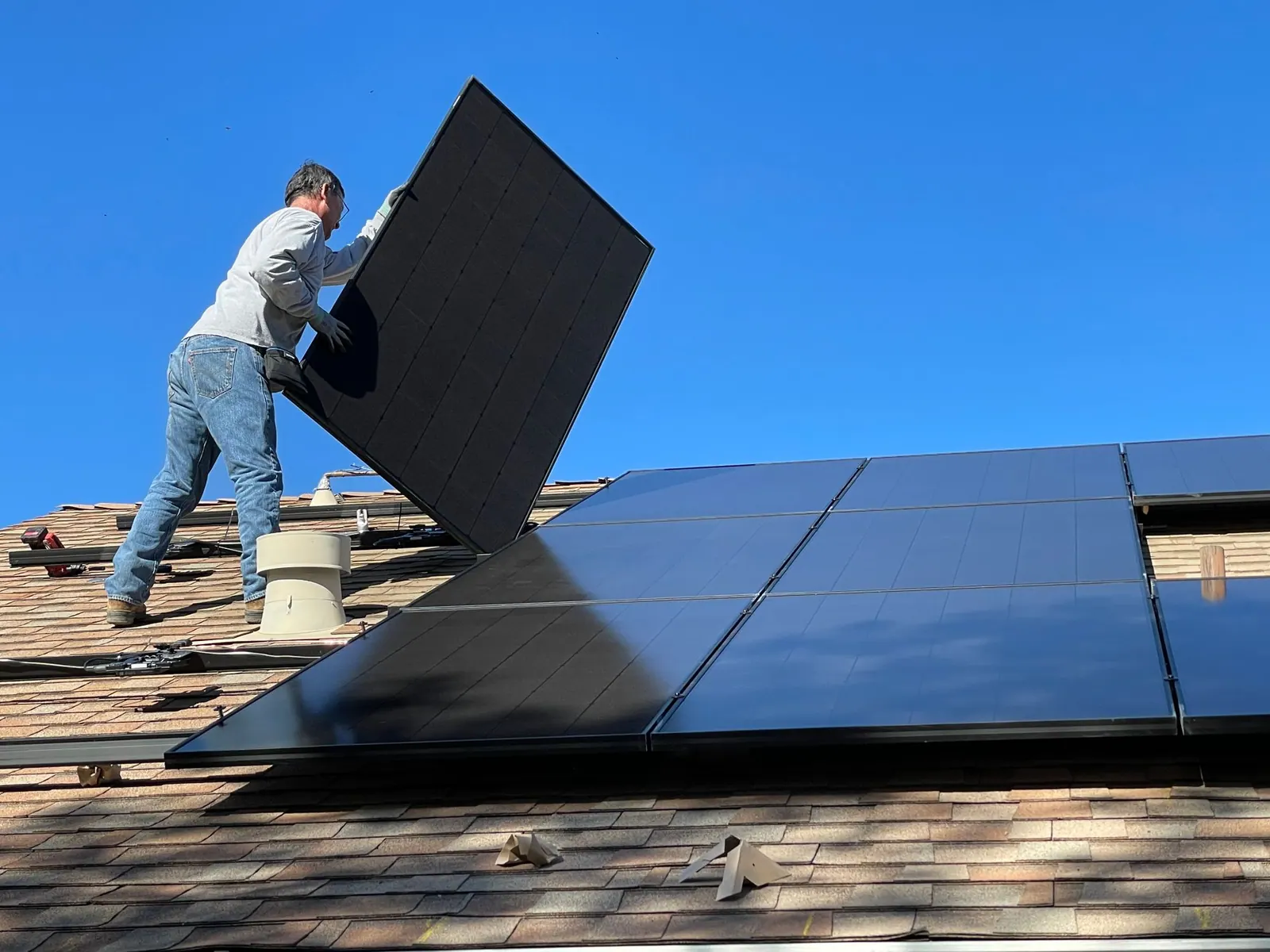
Most of Thanet’s homes are within a couple of miles of the sea, and many in Cliftonville, Westbrook, Westgate-on-Sea, Minnis Bay, Kingsgate and along Ramsgate’s cliffs face it directly. Salt spray and winter gales don’t stop solar working, but they change what you should ask for.
- Salt mist rating. Ask for panels certified to IEC 61701, the international salt mist corrosion test. Most major panel brands publish this on their datasheets.
- Corrosion-resistant fixings. Rails and clamps should be anodised aluminium, with stainless steel bolts and roof hooks. Mixing metals can cause galvanic corrosion near the sea, so ask what the installer uses.
- Wind loading. MCS installers must design pitched roof mounts to the MCS 012 standard, which covers wind uplift. On an exposed seafront roof, ask to see the wind load calculation and the number of roof hooks per rail.
- Keep back from the edges. Wind uplift is strongest at roof corners, eaves and the ridge. Panels set in from these zones are safer, and that also suits the conservation area guidance below.
- Inverter and isolators. Put the inverter in a loft or garage rather than on an outside wall facing the sea, and ask for outdoor isolators rated at IP65 or higher.
- Cleaning. Salt and gull droppings build up faster on the coast. Rain clears most of it on a steep roof, but a shallow-pitched bungalow roof may need a rinse once a year. Bird mesh round the array stops gulls and pigeons nesting underneath.
Planning permission for solar panels in Thanet
All of Thanet’s towns fall under Thanet District Council. Rooftop solar on a house is normally permitted development in England: on a pitched roof the panels mustn’t stand out more than 20 cm from the roof surface or rise above the highest part of the roof, and should be placed to keep their visual impact down. Flats don’t have these rights, so a flat owner needs planning permission or the freeholder’s route.
Conservation areas in Margate, Ramsgate and Broadstairs
Thanet has 27 conservation areas, more than many Kent districts, and they cover a lot of the older seaside housing. They include Margate, Margate Seafront, Ethelbert Road and Athelstan Road in Cliftonville, Northdown Road, Dalby Square, Ramsgate, Ramsgate Royal Esplanade, Ramsgate Montefiore, Pegwell, Broadstairs, Kingsgate, Reading Street, St Peter’s, Birchington, Westgate on Sea (with Westgate on Sea East and South), Minster, Monkton, Sarre, St Nicholas at Wade and Acol.
Thanet District Council’s conservation areas page says solar panels can be fitted in a conservation area on a house that isn’t listed or a flat, as long as:
- the panels don’t face the highway, so they go on the side or rear roof slope
- they don’t extend past the highest part of the roof slope
The same page also sets a condition on how far panels stand off the roof pitch. Its wording is unclear, so ask the council or your installer to confirm the detail for your roof.
For a front roof facing a street in, say, the Margate Seafront or Dalby Square area, that rules out the usual permitted development route. You’d need to apply, or use the rear slope. Check whether your street is covered on the council’s conservation area map.
Article 4 directions in Ramsgate and Pegwell
Thanet has Article 4 directions in the Ramsgate, Ramsgate Marina extension and Pegwell conservation areas. They take away some permitted development rights, so works such as porches, replacement windows and doors and exterior painting need planning permission. The streets covered include Addington Street, Albion Hill, Cliff Street, Kent Place, Kent Terrace, Nelson Crescent, Paragon, Pegwell Road, Prospect Terrace, Rose Hill and York Terrace.
The council’s summary doesn’t name solar panels or roofs, and the exact classes are set out in each direction. If you live on one of these streets, ask before you book a survey. Queries go to the Senior Conservation Officer at [email protected] or 01843 577150.
Listed buildings
Many of the Regency and Georgian terraces around Ramsgate harbour and Margate old town are listed. Panels on a listed house need listed building consent as well as any planning permission, and the council’s permitted development guidance for conservation areas doesn’t apply to them. For a listed home, panels on a garage or outbuilding, a ground mount in the garden or a plug-in kit are often simpler.
Thanet homes and roofs
Thanet’s housing stock is a mix you don’t see elsewhere in Kent: tall Victorian and Edwardian terraces in Margate, Cliftonville and Ramsgate, a large number of houses converted into flats, and long runs of interwar and post-war bungalows in Birchington, Westgate, Minster and around Broadstairs. Each needs a slightly different approach.
| Home type | Typical system | What to watch |
|---|---|---|
| Victorian terrace, Margate or Ramsgate | 2.5 to 3.5 kW on the rear slope | Chimney and dormer shading, slate roofs, scaffold access from the back |
| House converted to flats, Cliftonville | Usually not possible without freeholder consent | Shared roof, planning needed for flats |
| Bungalow, Birchington or Westgate | 3.5 to 5 kW | Shallow pitch, wind exposure near the cliffs |
| Semi or detached, Broadstairs or Minster | 4 to 5 kW | Simplest installs; check east and west splits |
| Newer estates, Westwood and Manston area | 4 kW or more | Modern tiles, often a good south or west roof |
Three practical points:
- Slate is brittle. Many older Thanet roofs are Welsh slate. Fixings go through or between slates with special hooks, so ask how the installer will avoid cracking them and whether replacement slates are included.
- Terraces mean shading. Chimney stacks and the house next door can shade part of a narrow rear roof. Optimisers or microinverters stop one shaded panel dragging the rest down.
- Bungalow roofs are low but wide. A long bungalow roof can split panels across east and west slopes, which gives a flatter output through the day and suits a home where someone is in during the day.
Not sure how many panels your roof takes? See how many solar panels you need.
Is a battery worth it in Thanet?
Because Thanet’s panels produce so much in summer, a battery has more spare energy to store than inland. On our figures, a 5 kWh battery roughly doubles how much of your own electricity you use, adding about £140 a year to a 3.5 kW south-facing system. On its own that’s a long payback at £2,500 to £4,000 for the battery.
The sums improve if you also charge the battery on a cheap overnight tariff in winter, own an electric car, or work from home. If you’re on a 12p export deal and out all day, panels alone are usually the better first step, and you can add a battery later. Our solar and battery cost guide and best solar batteries pages go into the options.
Grants and help for Thanet households
- Warm Homes: Local Grant. Thanet District Council’s scheme was open when we checked on 24 November 2026, delivered in partnership with E.ON. It funds free upgrades for homeowners and private tenants in homes rated EPC D to G who receive a means-tested benefit or have a household income below £36,000, with other routes for low-income and vulnerable households. Solar panels are one of the possible measures, alongside insulation and heat pumps. Contact [email protected] or 01843 577400, or see the council’s home energy grants page.
- ECO4. Households on qualifying benefits may still get solar funded through an energy supplier until ECO4 closes on 31 December 2026.
- 0% VAT on installed panels and batteries until 31 March 2027.
- Switch Together Kent. The council-backed group-buying scheme covers every Kent district, Thanet included. The 2026 round has closed. See our Switch Together Kent guide for how it works and when the next round may open.
Most homeowners won’t qualify for a grant, and offers of “free solar panels” from cold callers are usually a lease or a finance deal. Our solar panel grants guide explains who qualifies for what.
Choosing a solar panel installer in Margate
Search results for Margate mix local firms with national lead sites and, confusingly, businesses in Margate, South Africa. Whoever you use, a good installer for a Thanet home should:
- be MCS-certified, so your system qualifies for Smart Export Guarantee payments
- belong to RECC or HIES, for deposit protection and a complaints route
- offer an insurance-backed workmanship warranty
- specify salt mist rated panels and stainless or anodised fixings for coastal roofs, and show the MCS 012 wind load design
- know slate roofs and, if relevant, check the conservation area and Article 4 rules for your street
- handle the grid paperwork with UK Power Networks, the network operator for Kent: G98 notification after install for most home systems, or G99 approval in advance for larger ones or big batteries
Get at least three written quotes and compare the panel and inverter models, not just the price. Our guide to choosing a solar installer in Kent explains each accreditation.
Flats, rentals and listed homes
If you rent, live in a converted flat in Cliftonville or own a listed house, rooftop panels may not be an option. An approved plug-in solar kit can still cut your bill by around £70 to £110 a year. In the UK that means an ENA-listed kit with no built-in battery and an inverter of 800 VA or less. Our guide to solar for flats and renters covers what landlords and freeholders need to agree to.
Areas we cover in Thanet
We pass quote requests to MCS-certified installers covering the whole of Thanet (CT7 to CT12 postcodes):
- Margate: Cliftonville, Westbrook, Garlinge, Palm Bay and Northdown
- Ramsgate: the harbour, Pegwell, Cliffsend and Newington
- Broadstairs: St Peter’s, Reading Street and Kingsgate
- Birchington and Westgate-on-Sea: Minnis Bay and Epple Bay
- Villages: Minster, Monkton, Manston, St Nicholas at Wade, Sarre and Acol
Use the form at the top of this page and we’ll find installers covering your postcode. Read how our quote service works.
Nearby, see our pages for Canterbury, Whitstable and Herne Bay and Dover, Deal and Sandwich.
Sources
Figures on this page come from PVGIS 5.3 (EU Joint Research Centre) for Margate, Ofgem’s price cap for October to December 2026 and its typical consumption values, the government’s 2025/26 solar PV cost data, Which? battery prices (30 October 2026), Checkatrade’s Margate listings, HMRC VAT guidance, and Thanet District Council’s conservation areas and home energy grants pages. Checked on 24 November 2026.