Solar panels in Sittingbourne and Sheppey
Solar panels Sittingbourne and Sheppey guide: 2026 costs and payback by roof, Swale planning rules for Sheerness and Milton Regis, grants and local quotes.
4 kW
Typical home system (9 panels)
£6,500 to £7,400
Estimated installed cost, panels only
4,280 kWh
Estimated yearly generation, south-facing roof
£668 a year
Estimated bill saving plus export income (£818 with a battery)
Estimates for Sittingbourne and Sheppey from our calculator assumptions. Your figures depend on your roof, usage and tariff.
Get up to 3 quotes from MCS-certified installers
Free, no obligation, takes about a minute.
Thanks, you're all set
An installer will be in touch, usually within 2 working days.
Covers Sittingbourne, Sheerness, Minster, Queenborough, Teynham, Eastchurch and surrounding villages.
Solar panels in Sittingbourne and on the Isle of Sheppey cost about £6,500 to £7,400 for a typical 4 kW system and save around £670 a year on a south-facing roof, a payback of roughly 10 to 11 years. North Kent is one of the sunnier parts of England: the EU’s PVGIS tool gives 1,082 kWh per kW of panels a year for Sittingbourne. We built this solar panels Sittingbourne guide from PVGIS, Ofgem, government cost data and Swale Borough Council’s own planning records, so every figure can be checked.
Faversham is also in Swale but has its own page: see solar panels in Faversham for its conservation area and Article 4 rules.
Solar panels Sittingbourne: costs and savings by roof direction
These figures are for a 4 kW system on a three-bedroom home using 2,500 kWh a year (Ofgem’s typical medium use), with electricity at 26.32p per kWh under the Ofgem price cap for October to December 2026 and exported power paid at 12p per kWh.
| Roof | Yearly output | Yearly benefit | Installed cost | Payback |
|---|---|---|---|---|
| South-facing | about 4,330 kWh | about £670 | £6,500 to £7,400 | 10 to 11 years |
| South-east or south-west | about 4,070 kWh | about £630 | £6,500 to £7,400 | 10 to 12 years |
| East or west | about 3,420 kWh | about £530 | £6,500 to £7,400 | 12 to 14 years |
| Flat roof, panels laid flat | about 3,590 kWh | about £560 | £6,500 to £7,400 | 12 to 13 years |
| North-facing | about 2,290 kWh | about £360 | £6,500 to £7,400 | 18 years or more |
| South-facing with a 5 kWh battery | about 4,330 kWh | about £820 | £9,000 to £11,400 | 11 to 14 years |
Output comes from PVGIS for Sittingbourne at a 35 degree tilt, with our orientation factors taken from the same tool. Costs come from the Department for Energy Security and Net Zero’s Solar PV cost data for 2025/26 (published 28 May 2026), using South East prices for MCS installations. Battery prices are from Which? (checked 30 October 2026), with 5 kWh units from about £2,500 fitted alongside new panels.
The benefit column counts electricity you use yourself (about a quarter of output without a battery, half with one) at the full unit rate, and the rest at the export rate. A north-facing roof is rarely worth doing on its own. An east and west split, common on Sittingbourne’s newer estates, works better than the table suggests if you are home in the morning and evening.
Other system sizes
| System | Panels (440 W) | Yearly output, south | Installed cost | Yearly benefit |
|---|---|---|---|---|
| 3 kW | 7 | about 3,250 kWh | £4,900 to £5,600 | about £510 |
| 4 kW | 9 to 10 | about 4,330 kWh | £6,500 to £7,400 | about £670 |
| 5 kW | 11 to 12 | about 5,410 kWh | £8,200 to £8,600 | about £840 |
Larger systems cost less per kW, so if your roof has the space, a 5 kW array pays back in roughly 10 years on a south slope. Use our solar calculator to try your own roof, or read how many solar panels you need and our UK solar panel cost guide.
Export rates vary a lot. The 12p figure is what suppliers such as Octopus, British Gas and OVO paid their own customers in November 2026, according to MoneySavingExpert. Standalone Smart Export Guarantee tariffs from other suppliers pay 2p to 6p, which would cut the south-facing benefit to about £350 to £480.
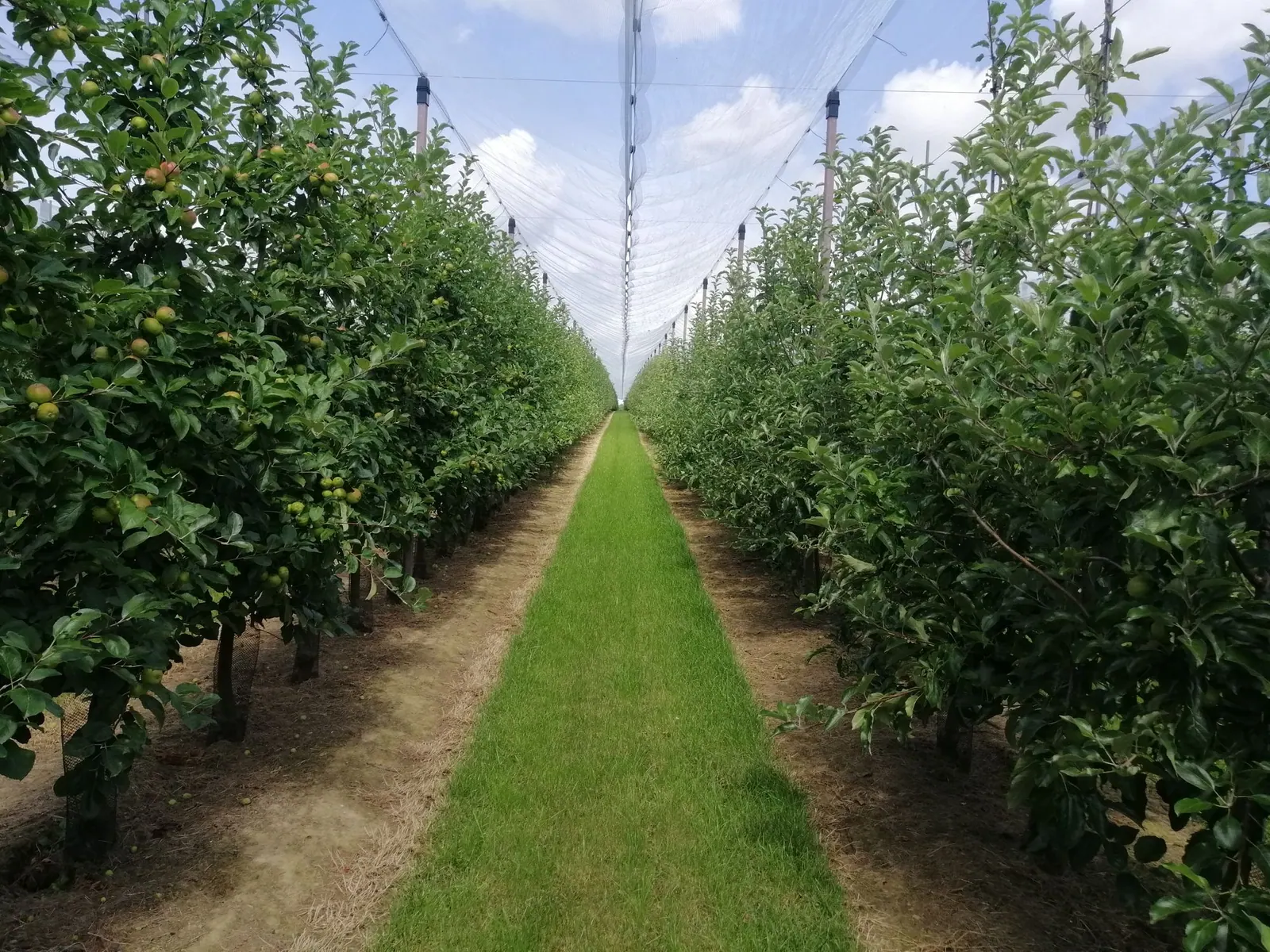
How much electricity panels make in Sittingbourne each month
PVGIS figures for a 4 kW south-facing system in Sittingbourne at 35 degrees:
| Month | Output | Month | Output |
|---|---|---|---|
| January | 161 kWh | July | 529 kWh |
| February | 219 kWh | August | 476 kWh |
| March | 361 kWh | September | 411 kWh |
| April | 492 kWh | October | 290 kWh |
| May | 516 kWh | November | 198 kWh |
| June | 527 kWh | December | 149 kWh |
From April to September the system makes more than a typical home uses in daylight, so the surplus goes to a battery, an electric car or the grid. From November to January it covers a fraction of your use. If you work from home, run a heat pump or charge a car, the summer surplus is worth more to you than the export rate, and a battery starts to make sense. See our solar battery cost guide for current prices.
Sheppey has no separate PVGIS point on our data set, but the island sits a few miles north of Sittingbourne on the same flat estuary coast, so expect very similar yields. Shading from neighbouring roofs, chimneys and trees makes a far bigger difference than the few miles between towns.
Planning permission in Sittingbourne and Sheppey
Planning questions go to Swale Borough Council. Rooftop panels on a house are normally permitted development across England, so you don’t need to apply. On a pitched roof, panels mustn’t stick out more than 20 cm from the roof surface or rise above the ridge, and should be placed to keep their visual impact down. Panels on a flat roof need prior approval from the council.
The exceptions are conservation areas, Article 4 directions and listed buildings. Swale has 51 designated conservation areas, and you can check whether your street is in one, or covered by an Article 4 direction, on the council’s interactive map under the Heritage and Environment layer.
Conservation areas in Sittingbourne and on Sheppey
The main town conservation areas are:
| Conservation area | Where | Swale’s status note |
|---|---|---|
| Sittingbourne | Historic High Street | Flagged as at risk |
| Milton Regis High Street | Old town north of the centre | Flagged as at risk |
| Sheerness Mile Town | Sheerness town centre | Flagged as at risk, re-designated in 2025 |
| Sheerness Marine Town | Marine Parade and seafront streets | Flagged as at risk, re-designated in 2025 |
| Sheerness Royal Naval Dockyard and Bluetown | Dockyard and Blue Town | Flagged as at risk |
| Queenborough | Historic town and High Street | Not flagged |
Village conservation areas around Sittingbourne include Tonge, Tunstall, Rodmersham Green, Rodmersham Church Street, Bredgar, Milstead, Hartlip, Upchurch, Lower Halstow, four in Borden, three in Newington, two in Lynsted and Cellar Hill and Greenstreet near Teynham.
In any conservation area, panels can’t go on a wall that faces a road without permission. Roof panels are still usually allowed under permitted development. Swale’s Sittingbourne Conservation Area Appraisal (adoption version, November 2021) notes that Kent peg tiles dominate the High Street roofs, with slate on later 19th and 20th century buildings, that brick chimney stacks are important to the skyline, and it discourages extra dormers and rooflights on visible roof slopes. Panels on a rear slope are the safer choice here.
Article 4 directions that can affect solar
Swale publishes a full list of its Article 4 directions. The ones in this part of the borough that touch house fronts are:
- Nos. 43 to 72 Marine Parade, Sheerness (made 18 August 1981): controls alterations and extensions to front elevations. Swale’s draft Marine Town appraisal (August 2023) lists solar panels on the front wall or roof slope among the householder changes under Article 4 control at Marine Town, so treat a front-facing array here as needing permission.
- Nos. 1 and 2 Flint Cottages, The Street, Tunstall (made 14 March 1988): controls alterations to front elevations.
- 84 Scarborough Drive, Minster (made 12 September 2007): controls alterations and extensions.
Milton Regis has no Article 4 direction on Swale’s list as of 24 November 2026, although the council’s draft Milton Regis appraisal (September 2023) suggested that front-slope solar panels are one of the changes a future direction could cover. The borough-wide direction made on 21 July 2026 is about houses in multiple occupation and does not affect solar.
Listed buildings and the Kent Downs
A listed house needs planning permission and listed building consent for panels, and Swale decides each case on its merits. Search the National Heritage List from Historic England if you’re unsure about your home.
South of Sittingbourne, villages including Milstead and Bredgar sit in the Kent Downs National Landscape, according to Swale Borough Council. Rooftop panels on houses there are still normally permitted development, and the Kent Downs team’s 2026 renewable energy position statement encourages rooftop solar on existing homes. Flat-roof panels in a National Landscape need prior approval.
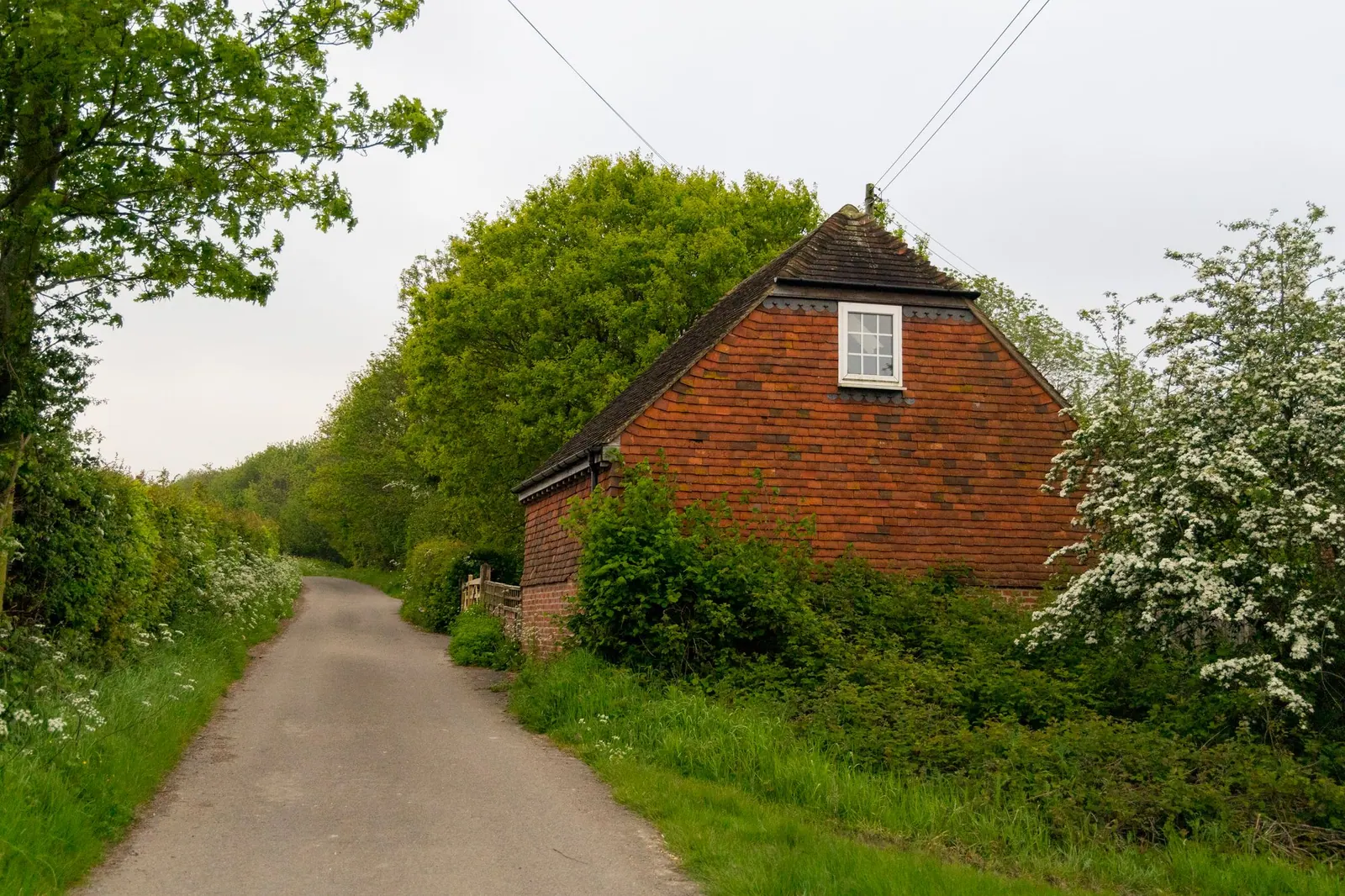
Sittingbourne and Sheppey homes and roofs
Swale has more terraced housing than most of Kent. Census 2021 figures from Kent County Council show 29.8% of Swale households live in terraced houses, against 23.5% across the county. That shapes what fits on a typical roof here:
- Victorian and Edwardian terraces in central Sittingbourne, Milton Regis and Sheerness often have a rear slope that takes 6 to 8 panels, about 2.6 to 3.5 kW. Chimneys and back extensions can shade part of the array, so ask about optimisers or microinverters.
- Older roofs of Kent peg tile or Welsh slate need care, because mounting hooks go in by lifting tiles. Ask how the installer will protect them and replace breakages with matching tiles.
- Post-war and modern estates in Kemsley, Iwade, Minster and around Sittingbourne’s edges usually have concrete interlocking tiles, which are quick to fix to and rarely need planning permission.
- Chalets, holiday lets and park homes around Leysdown and Warden often have lightweight roofs that can’t take a standard array. A ground mount or a plug-in kit is often the better option.
Coastal conditions on Sheppey
Seafront homes at Sheerness, Minster and Leysdown face salt spray and wind straight off the Thames Estuary. When you compare quotes, ask for:
- panels certified to IEC 61701 for salt mist corrosion, which most major brands publish on their datasheets
- stainless steel or aluminium fixings throughout
- MCS wind load calculations for your roof, since exposed coastal roofs need more fixings than sheltered inland ones
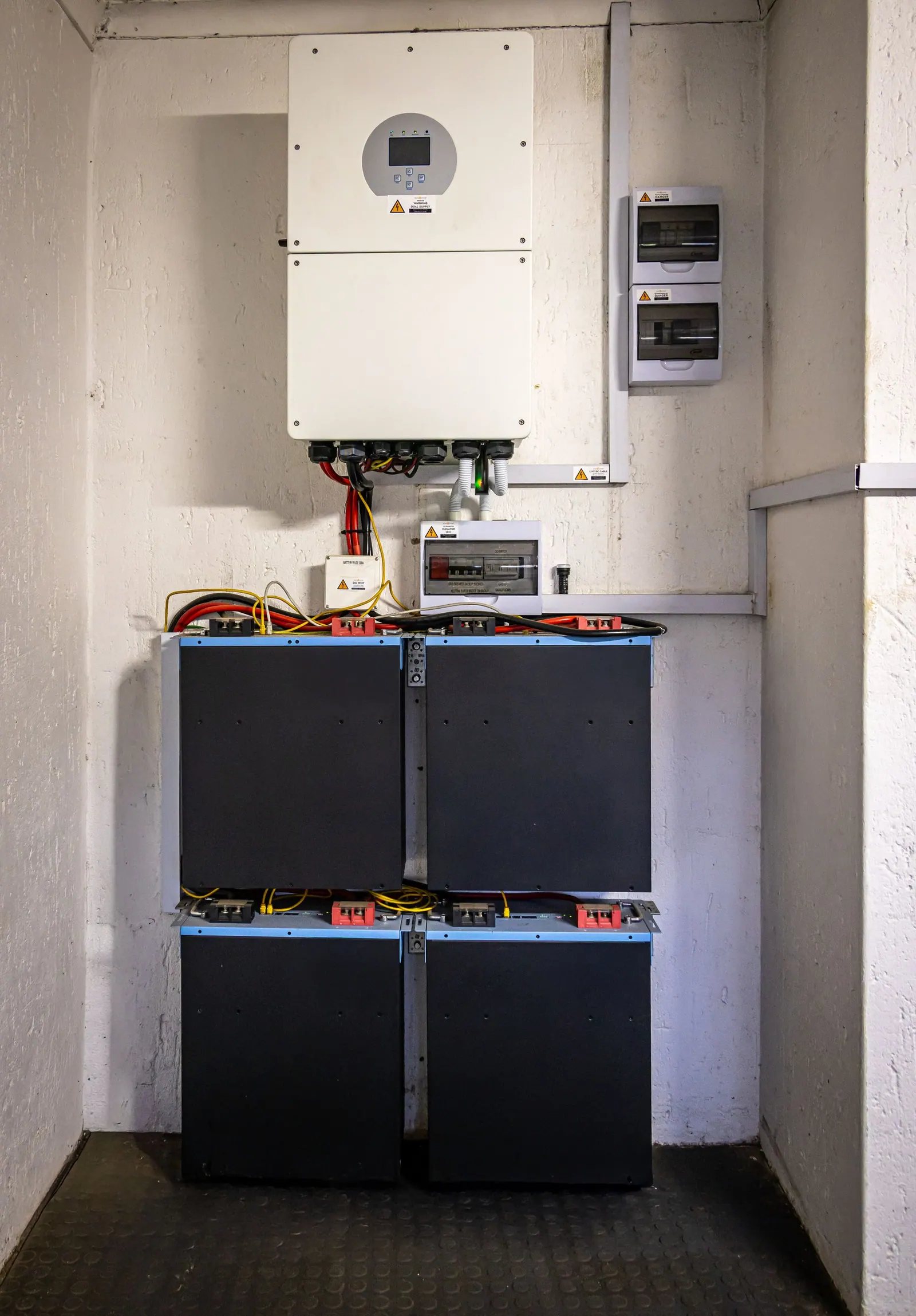
Parts of Sheppey and the land along the Swale are low-lying. Panels on your roof are not affected, but if you plan to put a battery or inverter in a garage or outbuilding, check your address on the government’s long term flood risk service and ask for the kit to be wall-mounted well above the floor.
Grants and help for Swale households
- Warm Homes: Local Grant. Swale was not on the government’s list of councils running this grant when we checked in November 2026. Check gov.uk in case that changes.
- ECO4. Households on qualifying benefits or low incomes, in homes rated EPC D to G, may get solar funded through an energy supplier until ECO4 closes on 31 December 2026.
- 0% VAT on installed panels and batteries until 31 March 2027, rising to 5% after that. On a £7,000 system that is worth about £350 compared with the 5% rate, so a booking before the spring is worth considering.
- Switch Together Kent. The council-backed group-buying scheme, formerly Solar Together, covers every Kent district including Swale. The 2026 round has closed; see our Solar Together Kent guide to find out how the next one works.
- Smart Export Guarantee. Your supplier must pay you for exported power if your system is MCS-certified.
Swale Borough Council declared a climate and ecological emergency on 26 June 2019. Read our solar panel grants guide for who qualifies for each scheme, and our guide to free solar panel offers before signing any deal that sounds too good to be true.
Choosing a solar installer in Sittingbourne
A good installer for a Swale home should:
- be MCS-certified, so you get Smart Export Guarantee payments and the 0% VAT rate
- belong to RECC or HIES, for deposit protection and an independent complaints route
- give an insurance-backed workmanship warranty, separate from the panel and inverter warranties
- show you a shading and roof survey, not just a satellite estimate
- check conservation area and Article 4 status for your address, especially in Sheerness, Milton Regis and the Sittingbourne High Street area
- handle the paperwork with UK Power Networks, the network operator for Kent: a G98 notification after fitting for most home systems, or G99 approval in advance for larger systems or those with big batteries
Fitting usually takes one or two days once scaffolding is up, and the whole process from survey to switch-on typically takes several weeks. Get at least three written quotes and compare them on price per kW, the panel and inverter brands, and the warranty terms rather than headline savings. Our guide to choosing a solar installer in Kent explains each accreditation in detail.
Flats, rentals and listed homes
If you rent, live in a flat above a shop on Sittingbourne High Street, or own a listed house, rooftop panels may not be an option. An approved plug-in solar kit on a sunny balcony, wall or garden can still trim your bill with no installer. UK rules allow only kits on the approved list with no built-in battery and an inverter of 800 VA or less, and they can’t be fixed to a listed building without consent. Read solar for flats and renters for the details, and are solar panels worth it if you’re still weighing up a full system.
Areas we cover around Sittingbourne and Sheppey
We pass quote requests to MCS-certified installers covering postcodes ME9, ME10, ME11 and ME12, including:
- Sittingbourne and nearby: Milton Regis, Kemsley, Murston, Bapchild, Tunstall, Borden, Bobbing, Iwade, Newington, Upchurch, Lower Halstow, Hartlip, Bredgar, Milstead, Rodmersham, Teynham, Lynsted and Conyer
- Isle of Sheppey: Sheerness, Blue Town, Minster, Queenborough, Halfway, Eastchurch, Warden and Leysdown
Use the form at the top of this page and we’ll find installers covering your postcode. Read how our quote service works. Nearby, see our pages for Faversham, Medway, Maidstone and Canterbury and Whitstable.
Sources
Figures on this page come from PVGIS 5.3 (EU Joint Research Centre), Ofgem’s price cap for October to December 2026, Ofgem’s typical domestic consumption values, the government’s Solar PV cost data 2025/26, Which? battery prices (October 2026), MoneySavingExpert export rates (November 2026), Swale Borough Council’s conservation area list, Article 4 directions table, Sittingbourne Conservation Area Appraisal (2021) and draft Marine Town and Milton Regis appraisals (2023), Kent County Council’s Census 2021 housing analysis and the Kent Downs renewable energy position statement (2026). Checked on 24 November 2026.