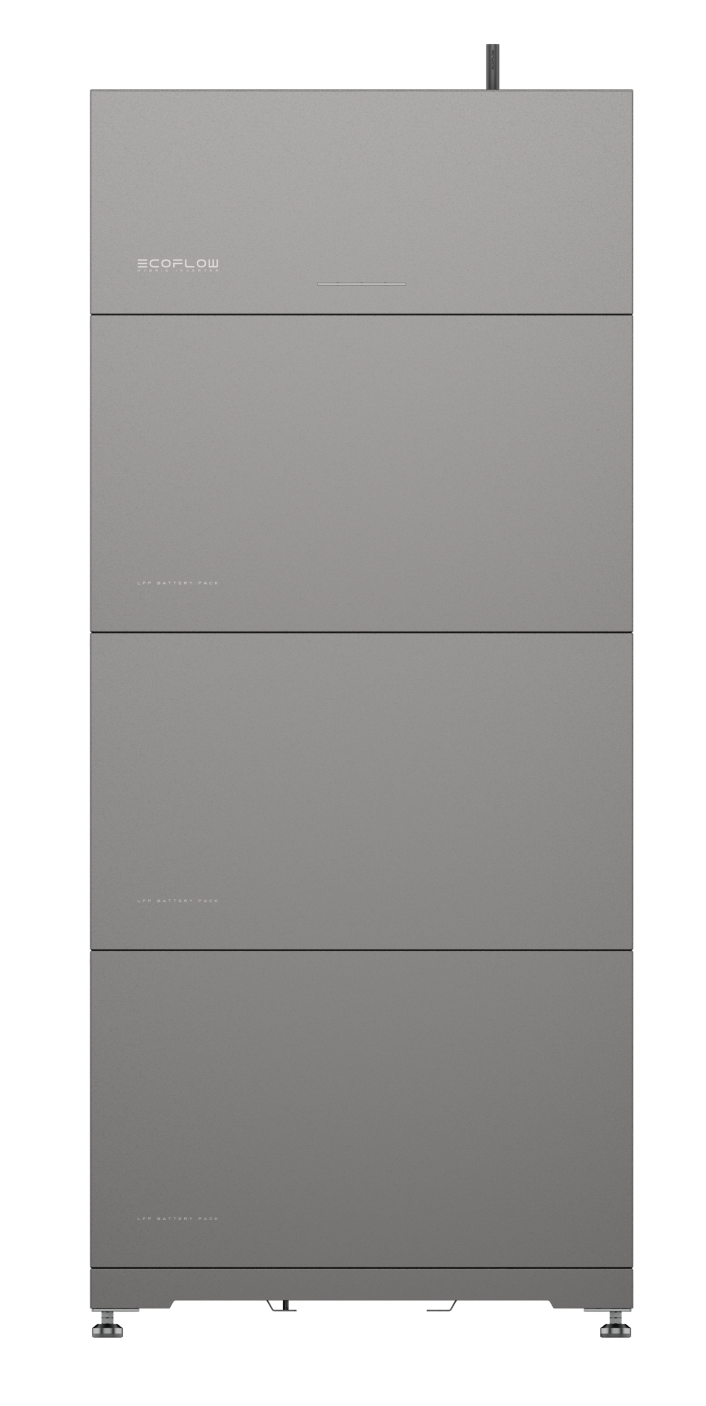
EcoFlow PowerOcean
EcoFlow
- Battery
- 5 kWh
- Output
- 6,000 W
- Solar input
- TBC
- Installation
- Hard-wired
- Warranty
- 15 years
- UK price
- £2,500 to £3,800
Price and specs checked November 2026.
The best solar battery for your UK home: five batteries compared on usable capacity, output, warranty, installed price and real payback in November 2026.
We may earn a commission if you buy through links on this page, at no extra cost to you. As an Amazon Associate we earn from qualifying purchases. It never changes what we recommend.How we make money
EcoFlow PowerOcean
EcoFlow
Price and specs checked November 2026.
| Model | Capacity | Output | Warranty | UK price | More |
|---|---|---|---|---|---|
| EcoFlow PowerOcean | 5,000 Wh | 6,000 W | 15 yrs | £2,500 to £3,800 | Details |
 Tesla Powerwall 3 | 13,500 Wh | 11,040 W | 10 yrs | £9,500 to £10,500 | Details |
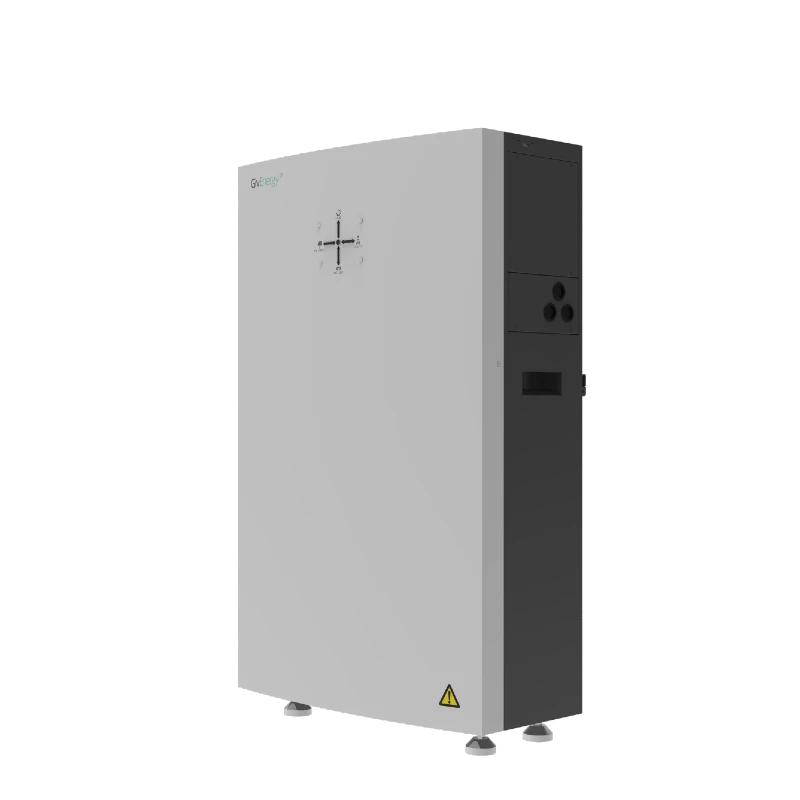 GivEnergy All in One 2 | 13,500 Wh | 6,000 W | 15 yrs | TBC | Details |
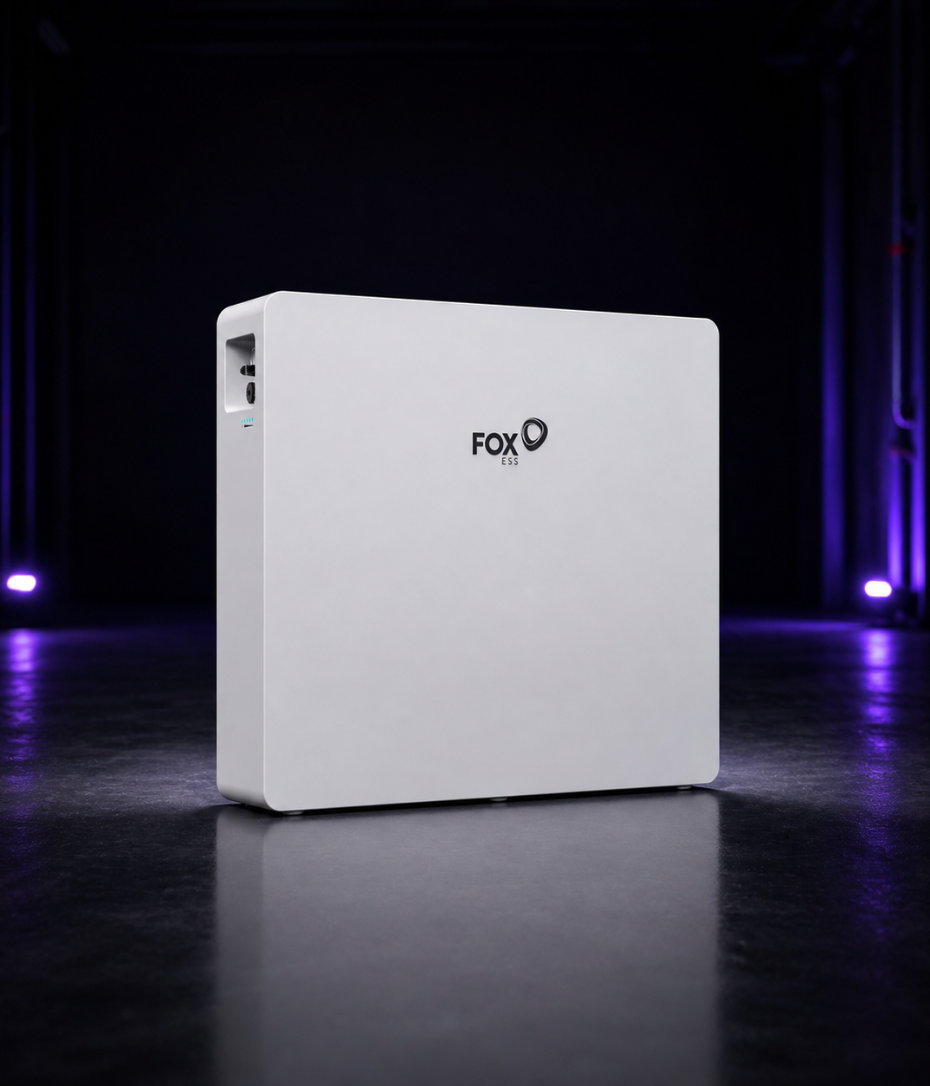 Fox ESS EP Series | 11,520 Wh | TBC | 10 yrs | TBC | Details |
 Anker SOLIX X1 | 5,000 Wh | 6,000 W | 10 yrs | TBC | Details |
Best value to start small
5,000 Wh · 6,000 W · £2,500 to £3,800
Best for big homes and EVs
13,500 Wh · 11,040 W · £9,500 to £10,500
Best all-in-one
13,500 Wh · 6,000 W · TBC
Best for outdoor fitting
11,520 Wh · TBC · TBC

Most modular
5,000 Wh · 6,000 W · TBC
The best solar battery for most UK homes is a lithium iron phosphate (LFP) unit of about 5 kWh, sized to your evening use, with a warranty of 10 years or more from a company that will still be trading to honour it. For most buyers that points to the EcoFlow PowerOcean as the cheapest way in, or the Tesla Powerwall 3 if you have a big home or an electric car. We compared five batteries sold in the UK on capacity, power, warranty, price per kWh and what they save in a Kent home.
The product cards above cover the headline specs. This table adds the numbers that decide value: what you pay for each kWh of storage and how each battery connects to your panels.
| Battery | Price per kWh stored | Connects to solar | Grows to | Best for |
|---|---|---|---|---|
| EcoFlow PowerOcean | £500 to £760 | Hybrid, panels wire straight in | 20 kWh per inverter, 60 kWh max | New solar, tighter budgets |
| Tesla Powerwall 3 | £577 to £778 | Hybrid, up to 20 kW of panels | 54 kWh | Large homes, EVs, whole-home backup |
| GivEnergy All in One 2 | No reliable price | AC-coupled, MPPT unit optional | 40.5 kWh | Existing installs only, see warning below |
| Fox ESS EP Series | No reliable price | Needs a Fox ESS hybrid inverter | 4 units (up to 46 kWh with EP12) | Outdoor walls, Fox systems |
| Anker SOLIX X1 | No reliable price | Hybrid, up to 12 kW of panels | 30 kWh | Large arrays, modular builds |
Price per kWh uses each battery’s installed price band divided by its capacity. EcoFlow’s £2,500 to £3,800 for 5 kWh comes from its UK pricing guide. The Powerwall’s lower figure uses the £7,795 supplier price Which? reported on 30 October 2026, and the upper figure the top of typical installer quotes (£10,500). Both checked 24 November 2026. We haven’t quoted prices for the other three because published UK figures vary too widely to be useful.

GivEnergy was the UK’s best-known home battery brand, and many older guides still rank it first. On 9 April 2026, GivEnergy Ltd entered administration. According to ESS News (13 April 2026), the administrator said the company had stopped trading, made all staff redundant and would not honour hardware warranties.
What that means in practice:
The All in One 2 is still listed above because its specs remain strong: 13.5 kWh in one box, expandable to 40.5 kWh. But we would not buy a new one unless the installer gives you their own written warranty for at least 10 years. If you already own one, it is not a reason to rip it out.
Home battery prices have fallen, but the spread between quotes is still wide. These bands are installed prices including fitting.
| Battery size | Typical installed price | Suits |
|---|---|---|
| 5 kWh | £2,500 to £4,000 | 1 to 3 bedroom homes |
| 10 kWh | £5,300 to £6,500 | Larger homes, heat pumps |
| 13.5 kWh (Powerwall 3) | £7,800 to £9,500 typical, up to £10,500 | Large homes, EV owners |
Source: Which? (30 October 2026) for OVO, EDF and E.ON prices, plus Octopus battery-only prices of £3,947 for 5 kWh, £5,336 for 10 kWh and £7,999 for a Powerwall 3. The lower end assumes the battery goes in at the same time as new panels, which saves a second visit and often a second inverter.
Installed home batteries carry 0% VAT until 31 March 2027, rising to 5% after that, according to HMRC guidance. That applies to a battery added to existing panels too. On a £6,000 job, the change to 5% would add £300. Our solar battery cost guide breaks prices down further.
A battery saves money by letting you use your own solar power after dark instead of exporting it. Each kWh you store is worth the gap between what you pay to import and what you’re paid to export. With the Ofgem price cap at 26.32p per kWh (1 October to 31 December 2026) and a typical export rate of 12p (MoneySavingExpert, 9 November 2026), that gap is about 14.3p per kWh.
We ran the numbers for a 4 kWp south-facing system in Maidstone. PVGIS (the EU Joint Research Centre’s solar model) puts its output at about 4,228 kWh a year. We assumed you use 25% of that without a battery, rising to 50% with 5 kWh, 60% with 10 kWh and 65% with 13.5 kWh, capped at 85% of your annual use.
| Home (Ofgem typical use) | 5 kWh battery | 10 kWh battery | 13.5 kWh battery |
|---|---|---|---|
| 3 bedrooms (2,500 kWh) | about £151 a year | about £153 a year | about £153 a year |
| 4+ bedrooms (3,800 kWh) | about £151 a year | about £212 a year | about £242 a year |
Two things stand out. First, a medium home gains almost nothing from going bigger than 5 kWh on solar alone, because it simply doesn’t use enough electricity to soak up the extra. Second, solar-only payback is long: £2,500 to £4,000 for a 5 kWh battery at £151 a year is 17 to 26 years.
That’s why the batteries that pay back fastest also charge from the grid on a cheap overnight tariff. Your saving per full cycle is roughly: usable kWh, minus round-trip losses, multiplied by the gap between your peak and off-peak rates. As an illustration, a 10 kWh battery working a 15p gap with 10% losses saves about £1.35 a night. Check your own tariff’s rates before relying on that. The solar calculator models your own home.
PVGIS data for Maidstone shows how lopsided UK solar is. A 4 kWp array makes roughly 17 kWh a day in June but under 5 kWh a day in December. In summer, even a 10 kWh battery fills by early afternoon. From November to February, solar alone will rarely fill a 5 kWh battery.
So the right question is not “how big a battery can my panels fill?” but “what will this battery do for six months of the year?” If you’re on a smart time-of-use tariff, the answer is overnight charging. If you’re on a flat-rate tariff, a big battery spends much of the winter part-empty, which is another reason to keep the size modest.
Across Kent the gap between towns is small. PVGIS gives 1,048 kWh per kWp a year for Sevenoaks and 1,146 for Folkestone, against a UK average of about 932. See your district on the Maidstone page and the other Kent area guides.
Most of a home’s solar is made in the middle of the day, when nobody’s in. A battery’s job is to cover the evening and night, which for a typical household is about half its daily use.
| Household | Ofgem typical use a year | Per day | Evening and night (about half) | Battery to look at |
|---|---|---|---|---|
| 1 to 2 bedrooms | 1,600 kWh | 4.4 kWh | 2 to 3 kWh | 5 kWh, the smallest units sold |
| 3 bedrooms | 2,500 kWh | 6.8 kWh | 3 to 4 kWh | 5 kWh |
| 4+ bedrooms | 3,800 kWh | 10.4 kWh | 5 to 6 kWh | 5 to 10 kWh |
| Any size with EV or heat pump | Varies | Varies | Often 8 kWh or more | 10 to 13.5 kWh, ideally on a smart tariff |
Usage figures are Ofgem’s Typical Domestic Consumption Values from 1 July 2026. Your own smart meter data beats any average, so check your app for a few winter and summer evenings before you get quotes.
A decision rule that works: if you’re not sure, start small with a modular battery. The PowerOcean grows in 5 kWh steps and the Anker SOLIX X1 in 5 kWh blocks, so you can add capacity once you’ve seen a year of real data.
Two numbers matter: the warranty term and the cycle count. One cycle is a full charge and discharge, and most home batteries do about one a day.
Read the small print as well as the headline. Some warranties end early once the battery has passed a set amount of energy, and some guarantee only a share of the original capacity by the end. Tesla requires the Powerwall 3 to stay connected to the internet for the full warranty. Ask your installer for the warranty document, not the brochure.
All five batteries we compared use lithium iron phosphate, also written LFP or LiFePO4. It has become the default for home storage because it tolerates thousands of cycles, stays more stable at high temperatures and is less prone to thermal runaway than the nickel-based lithium chemistries in older batteries such as the Powerwall 2.
Lead-acid batteries still turn up in off-grid kits because they’re cheap, but they’re heavy, lose capacity fast if regularly run flat and need more space for the same usable storage. For a house, they’re not worth considering. Our LiFePO4 vs lithium-ion guide explains the chemistry in more detail.
This is the choice that most affects your quote.
If your existing inverter is old or failing, replacing it with a hybrid battery system can make more sense than adding an AC-coupled one.
Many buyers assume a home battery keeps the lights on in a power cut. Most don’t by default. Without extra hardware, a grid-connected battery shuts down when the grid fails, for the safety of engineers working on the lines.
If occasional cuts are your main worry rather than bill savings, a portable power station may be cheaper. Our best portable power station guide and power cut guide cover that route.

PAS 63100:2024, the BSI fire-safety specification for home battery installations, sets out where batteries should not be fitted. Trade summaries of it list bedrooms and cupboards opening into them, lofts and roof voids, and outdoor spots within 1 metre of doors, windows, vents or escape routes. Garages, outbuildings and suitable external walls are the usual choices.
That makes outdoor ratings matter. The Fox ESS EP Series is IP65 rated and has built-in fire suppression, which is why we rate it for outdoor fitting. Check the IP rating of any battery you’re offered if it’s going on an exterior wall, and ask the installer where they plan to put it before you sign.
Search results for solar batteries now include plug-in products such as the EcoFlow STREAM and Anker SOLIX Solarbank ranges, sold online for around £1,600. These are a different category from the hard-wired batteries on this page. UK plug-in solar rules (SI 2026/848 and SI 2026/896) cover approved, ENA-listed kits with no battery and an inverter of no more than 800 VA. We only recommend kits that meet those rules, so we don’t suggest plugging a battery system into a socket. See is plug-in solar legal in the UK for the detail.
A home battery must be installed by a qualified electrician, who registers it with UK Power Networks, the network operator for Kent. Smaller systems are usually notified after fitting. Larger ones that can export more than 3.68 kW on a single phase generally need approval before installation, which matters for high-output batteries such as the Powerwall 3.
If you’re adding panels at the same time, use an MCS-certified installer: you need MCS certification to claim Smart Export Guarantee payments. Get at least three quotes and compare them on price per usable kWh, warranty terms and who stands behind the warranty.
Get free quotes from MCS-certified installers covering Kent, browse Kent solar installers, or see what solar panels and a battery cost together.
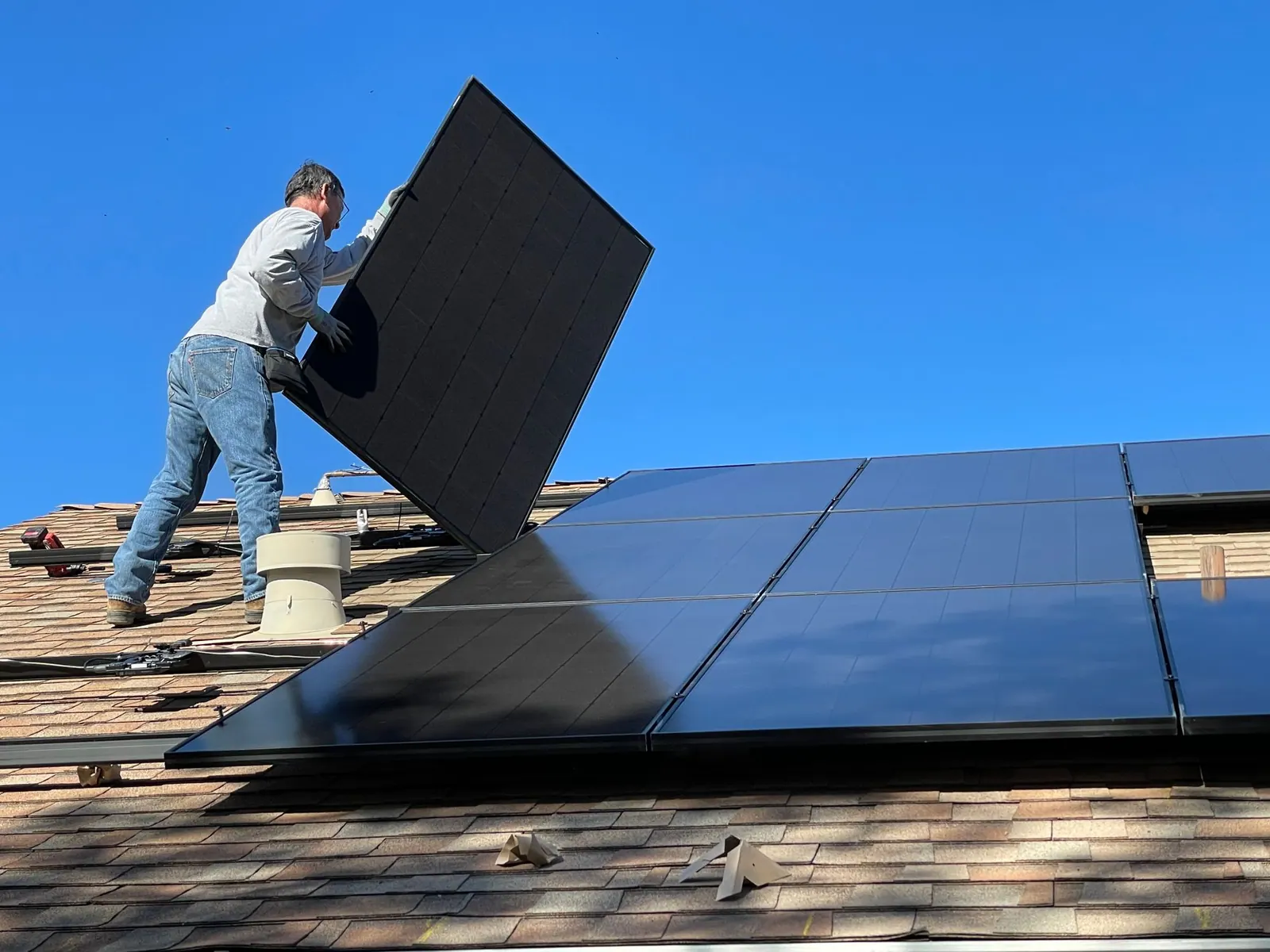
We compared each battery’s published UK specifications: usable capacity, power output, inverter type, expandability, chemistry and warranty, all checked on the manufacturers’ UK websites on 24 November 2026. Prices come from manufacturers’ UK guides, Which? and published installer ranges. We checked company news as well as specs, which is how the GivEnergy administration shows up here. We haven’t tested these batteries hands-on, and we don’t install them. Read how we research.
One more update to watch: Anker launched the SOLIX XE, a successor to the SOLIX X1, in September 2026, so check which model installers are actually quoting.