Solar panels in Folkestone and Hythe
Solar panels Folkestone and Hythe guide: 2026 costs and savings in Kent's sunniest district, conservation area rules, grants and MCS installer quotes.
4 kW
Typical home system (9 panels)
£6,500 to £7,400
Estimated installed cost, panels only
4,540 kWh
Estimated yearly generation, south-facing roof
£707 a year
Estimated bill saving plus export income (£849 with a battery)
Estimates for Folkestone and Hythe from our calculator assumptions. Your figures depend on your roof, usage and tariff.
Get up to 3 quotes from MCS-certified installers
Free, no obligation, takes about a minute.
Thanks, you're all set
An installer will be in touch, usually within 2 working days.
Covers Folkestone, Hythe, New Romney, Lydd and surrounding villages.
For solar panels, Folkestone and Hythe is the sunniest district in Kent on the EU’s PVGIS figures, at 1,146 kWh per kW of panels a year. A typical 4 kW system costs about £6,550 to £7,450 installed and should be worth around £710 a year on a south-facing roof, a payback of roughly 9 to 10.5 years. Most homes won’t need planning permission, but listed houses, Dungeness and some conservation area streets in Hythe, Sandgate and Folkestone need a check first.
Solar panel costs and savings in Folkestone and Hythe
These figures are for a typical three-bedroom home using 2,500 kWh of electricity a year (Ofgem’s typical medium use), paying the October to December 2026 Ofgem price cap rate of 26.32p per kWh and earning 12p per kWh for exported power. We assume you use a quarter of what the panels make without a battery, and about half with one.
| System | Installed cost | Yearly output | Yearly benefit | Payback |
|---|---|---|---|---|
| 4 kW, south-facing | £6,550 to £7,450 | about 4,580 kWh | about £710 | 9 to 10.5 years |
| 4 kW, south-west or south-east | £6,550 to £7,450 | about 4,310 kWh | about £670 | 10 to 11 years |
| 4 kW, east or west-facing | £6,550 to £7,450 | about 3,620 kWh | about £565 | 11.5 to 13 years |
| 4 kW, south-facing, with a 5 kWh battery | £9,050 to £11,450 | about 4,580 kWh | about £855 | 10.5 to 13.5 years |
Installed costs come from the Department for Energy Security and Net Zero’s 2025/26 solar PV cost data for MCS installations, published in May 2026, using South East prices of £1,640 to £1,859 per kW for systems up to 4 kW. Battery prices are from Which? (October 2026). Bigger homes with higher use, an electric car or a heat pump will use more of their own power and see a better return.
Two rules of thumb for Folkestone homes:
- East or west roofs still work. Because the starting yield is so high, an east or west roof here makes about as much as a south-facing roof in parts of the Weald. Splitting panels across both slopes also spreads output through the day.
- A battery is worth it if you’re out all day. Without one, around three quarters of summer output goes to the grid at 12p. Storing it to use in the evening saves you the full 26.32p.
There’s 0% VAT on installed panels and batteries until 31 March 2027, after which it rises to 5%. For your own roof size and use, try our solar calculator, or read our guides to solar panel costs and solar battery costs.
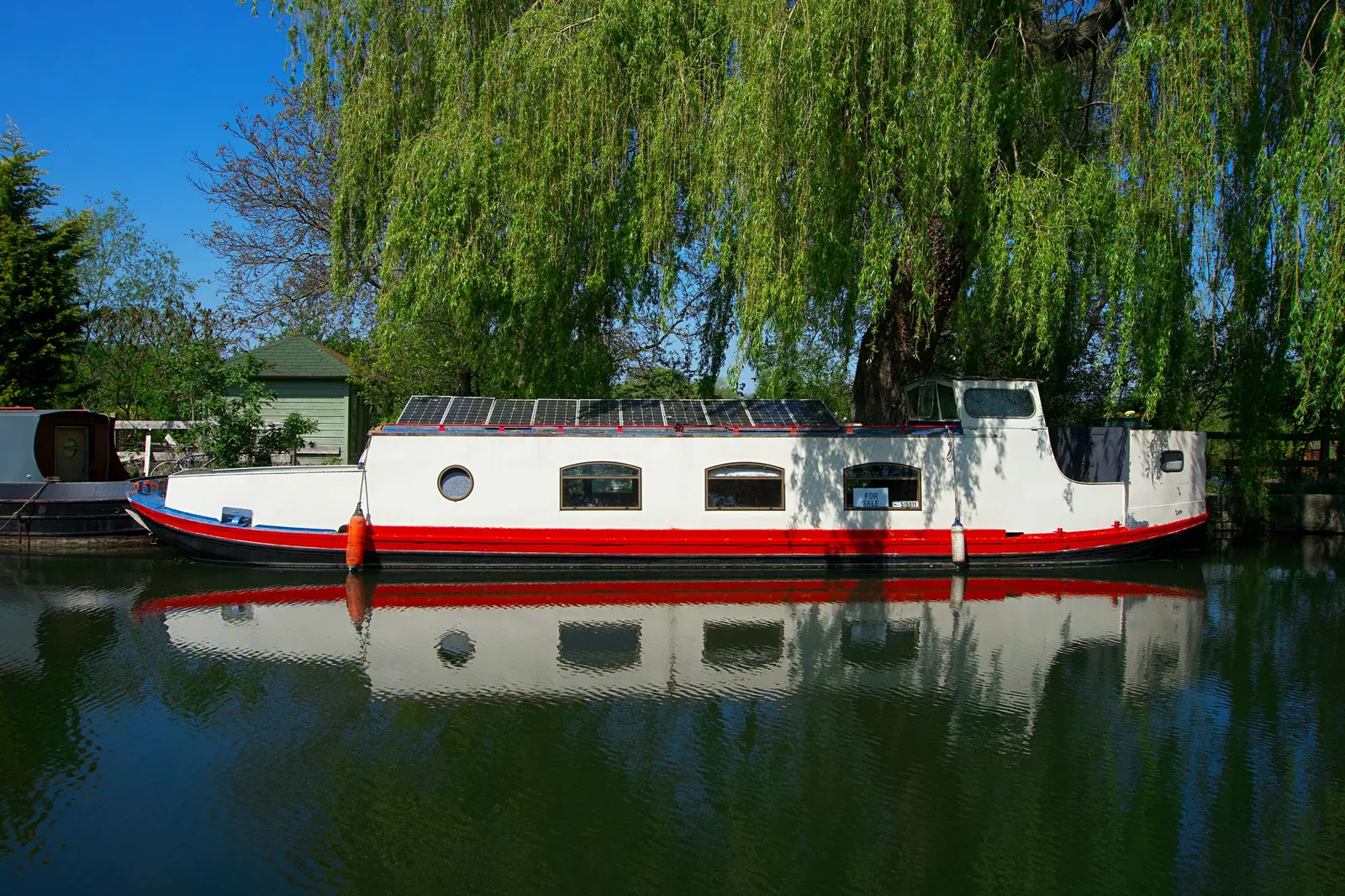
How much electricity solar panels make in Folkestone
PVGIS 5.3, the EU Joint Research Centre’s solar model, puts Folkestone at 1,146 kWh per kW of panels a year for a south-facing roof at 35 degrees. That’s about 23% above our UK average of 932 kWh, and about 8% more than Maidstone (1,057). Here’s how a 4 kW south-facing system spreads across the year:
| Month | Output | Month | Output |
|---|---|---|---|
| January | 171 kWh | July | 560 kWh |
| February | 231 kWh | August | 504 kWh |
| March | 383 kWh | September | 435 kWh |
| April | 521 kWh | October | 307 kWh |
| May | 547 kWh | November | 210 kWh |
| June | 558 kWh | December | 158 kWh |
From April to September a 4 kW array makes more than a typical home uses, so the surplus goes to export, a battery or an EV. In December it makes about 5 kWh a day, enough to trim your bill rather than cover it. The coast is the reason for the high figure: sea air tends to clear cloud along the Channel shore, and the low ground of Romney Marsh has very little hill shading.
Planning permission for solar panels in Folkestone and Hythe
Planning questions go to Folkestone and Hythe District Council. Rooftop solar on a house is normally permitted development in England: on a pitched roof, panels mustn’t stick out more than 20 cm from the roof surface or rise above the ridge, and they should be sited to keep their visual impact down. Flat-roof panels have extra limits. The checks below are where Folkestone and Hythe differs from the rest of Kent.
Conservation areas
The council’s Heritage Strategy appendix on conservation areas lists 21 conservation areas in the district, designated between 1969 and 1990: 11 on Romney Marsh and at Dungeness, 6 in the North Downs villages, and 4 in Folkestone, Hythe and Sandgate. They include:
| Area | Conservation areas |
|---|---|
| Folkestone and Sandgate | Folkestone Leas and Bayle, Sandgate Esplanade, Sandgate High Street |
| Hythe | Hythe (the first in the district, 1969), Saltwood |
| Romney Marsh | New Romney (Cannon Street and High Street), Lydd, Dymchurch (Church Area and High Street), Littlestone, Dungeness, Old Romney, Newchurch, Brookland |
| North Downs villages | Elham, Lympne, Postling, Etchinghill, Newington, Frogholt |
In any conservation area, panels can’t go on a wall that faces a road, and roof panels should be placed to limit how much they show from the street. A rear slope is usually the straightforward option. You can find which areas have appraisals on the council’s conservation area appraisals page: finalised appraisals cover Dungeness, Elham, Frogholt, Hythe, Postling, Saltwood and Sandgate, with drafts for Etchinghill, Lympne, New Romney and Newington and a phased appraisal for Folkestone Old Town.
Article 4 directions
- Dungeness. The Dungeness Conservation Area appraisal says an Article 4 direction there further restricts householder development without planning permission, as well as gates, fences and walls. The Secretary of State approved a permanent direction in March 1986. If you own a property at Dungeness, ask the council before planning any panels.
- Hythe. The Hythe Conservation Area Appraisal (May 2008) recommended Article 4 directions for houses in the conservation area, listing roof coverings and “certain roof lights and solar panels” among the changes they could control. The council’s current Article 4 page lists only two confirmed directions, both at Longage Hill, Lyminge, confirmed on 3 June 2024 and 10 December 2024. We couldn’t find a Hythe direction in force, but confirm with the council if you live in the old town.
Listed buildings
The Heritage Strategy counts 913 listed buildings in the district, 523 of them inside conservation areas. The biggest clusters are in Hythe (101), Folkestone Leas and Bayle (96) and Sandgate High Street (72), with sizeable numbers in Elham, New Romney and Lydd. Panels on a listed house need listed building consent and usually planning permission. Panels on a garage or outbuilding, a ground mount in the garden or a plug-in kit can be easier routes.
Kent Downs National Landscape
The north of the district, including Lyminge, Elham, Etchinghill and Hawkinge, lies in the Kent Downs National Landscape. Rooftop panels on houses are still usually permitted development there, and the Kent Downs team’s June 2026 renewable energy position statement supports rooftop solar on existing buildings. Panels on a flat roof or a wall facing a road need more care.
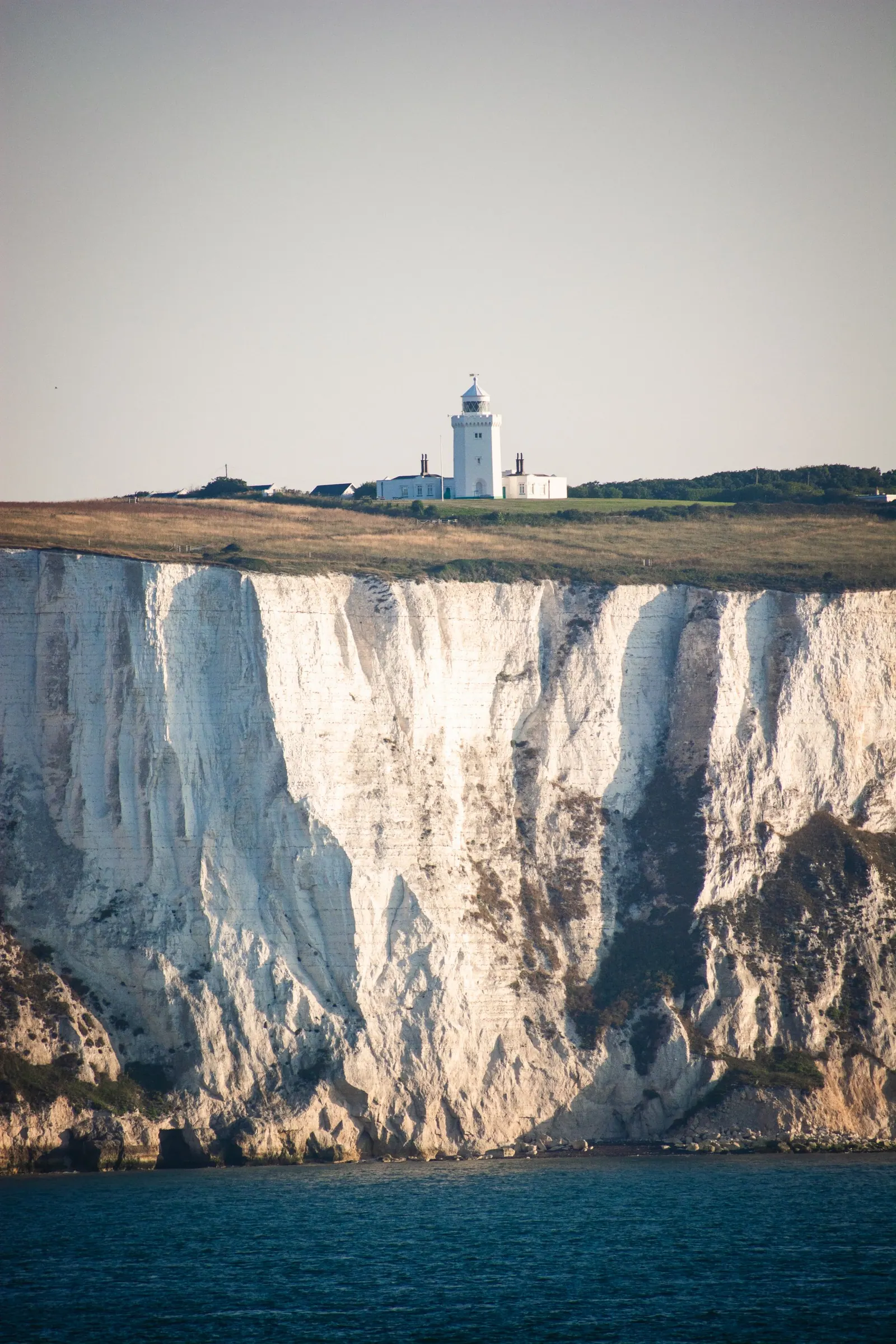
Folkestone and Hythe homes and roofs
The district has three very different housing types, and each changes how an installation goes.
- Victorian and Edwardian Folkestone and Sandgate. Tall terraces and villas around the Leas, Cheriton Road and Sandgate Road often have slate or clay tile roofs, valleys and several chimneys. Usable space can be broken up, so expect 6 to 10 panels per slope and ask about optimisers or microinverters where chimneys shade part of the array.
- Historic Hythe and New Romney. The Hythe appraisal describes steeply pitched roofs mainly of red clay tile with some slate. Steep pitches catch low winter sun well, but old clay tiles crack easily, so ask how the installer will lift and refit them and whether they carry matching spares.
- Coastal bungalows and newer estates. Along Dymchurch, St Mary’s Bay, Littlestone and Greatstone, and on newer estates at Hawkinge and Cheriton, simple concrete tile roofs are quick and cheap to fit. Wide, low bungalow roofs can take 12 or more panels, which suits a household planning an EV or heat pump.
Coastal homes: salt and wind
Homes within a few hundred metres of the shore at Sandgate, Hythe, Dymchurch, Littlestone and Lydd-on-Sea get more salt spray and higher winds than inland Kent. That doesn’t stop solar working, but three questions are worth asking:
- Have the panels passed the IEC 61701 salt mist test? Most mainstream panels list it on their datasheet.
- Are the rails, clamps and roof hooks stainless steel or coated aluminium, and are the fixings rated for exposed coastal wind loads?
- Where will the inverter go? Inside a loft or garage is better than an outside wall facing the sea.
Salt film also builds up on glass. Rain clears most of it, but a gentle rinse with clean water once or twice a year can help on very exposed roofs.
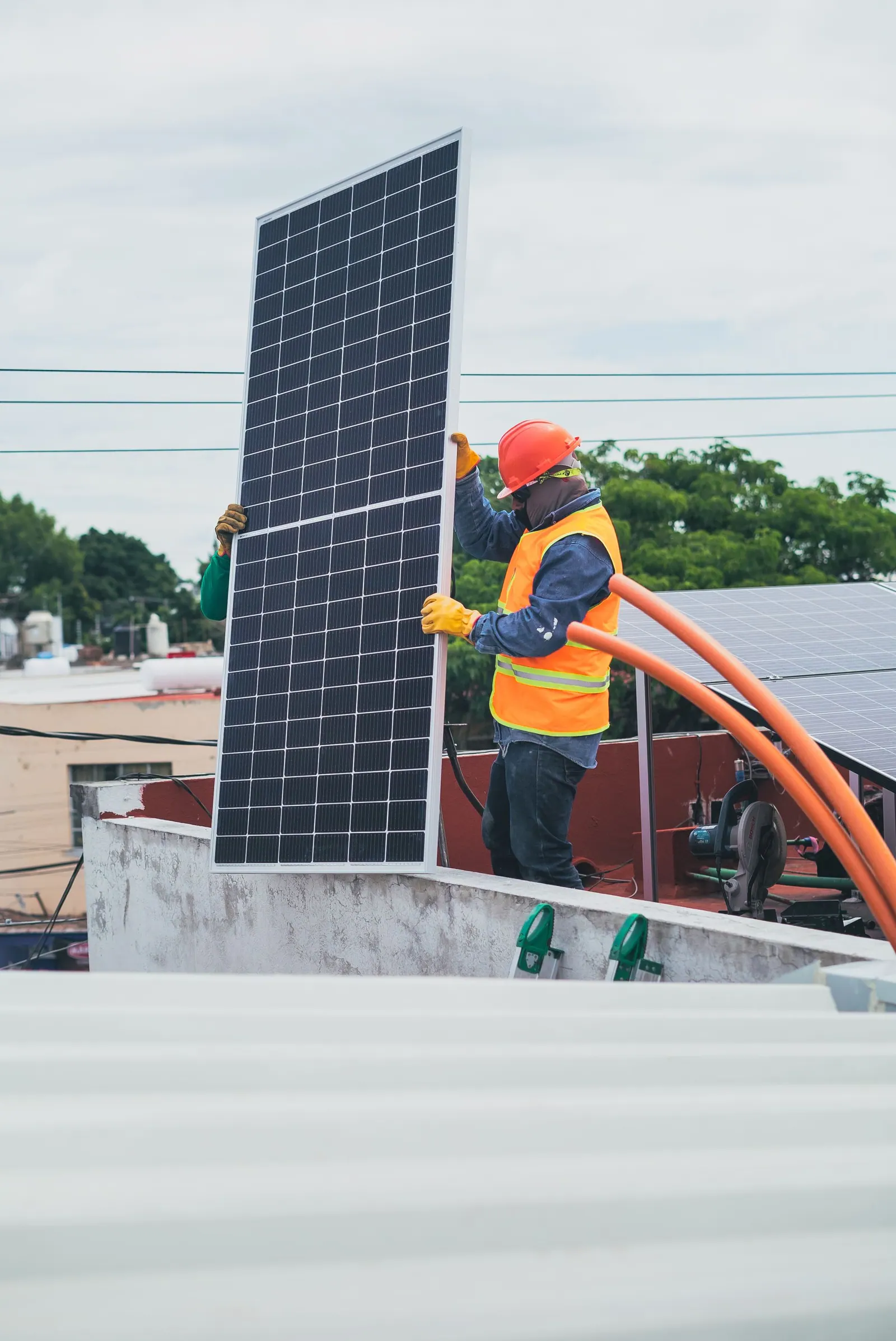
Solar farms in the district
Romney Marsh has become a focus for large solar schemes. The council’s solar projects page, updated in June 2026, lists St Mary’s Road (Romney Marsh), South Kent Energy Park, Shepway Energy Park, South Brooks Solar Farm and Otterpool Park. Schemes under 50 MW are decided by the district council, while larger ones go through the national infrastructure process with the council as a consultee. None of these changes what households pay for electricity, because their output goes into the national grid.
Grants and help for Folkestone and Hythe households
- Warm Homes: Local Grant. Folkestone and Hythe wasn’t on the government’s list of councils running this grant when we checked on 24 November 2026. Check gov.uk in case that changes.
- ECO4. Households on qualifying benefits or low incomes, in homes rated EPC D to G, may get solar funded through an energy supplier until ECO4 closes on 31 December 2026.
- 0% VAT on installed panels and batteries until 31 March 2027.
- Smart Export Guarantee. With an MCS-certified installation you can earn around 12p per kWh from the better supplier export tariffs (MoneySavingExpert, November 2026), against 2p to 6p for the basic ones.
- Switch Together Kent. The council-backed group-buying scheme, formerly Solar Together, covers every Kent district. The 2026 round has closed; see our Solar Together Kent guide for how the next one works.
Our solar panel grants guide explains who qualifies for each, and our guide to free solar panels covers the offers to treat with caution.
Choosing a solar installer near Folkestone
A good installer for a Folkestone, Hythe or Romney Marsh home should:
- be MCS-certified, so you can claim Smart Export Guarantee payments
- belong to RECC or HIES, for deposit protection and an independent complaints route
- offer an insurance-backed workmanship warranty that outlasts the firm
- have worked on slate and clay tile roofs, and in conservation areas if your house is in one
- specify coastal-rated fixings if you live near the sea
- handle the paperwork with UK Power Networks, the network operator for Kent: G98 notification for most home systems, or G99 approval in advance for larger ones or big batteries
Get at least three written quotes that list panel and inverter models, the expected yearly output, and the price with and without a battery. Our guide to choosing a solar installer in Kent explains each accreditation, and how many solar panels you need helps you check the sizing.
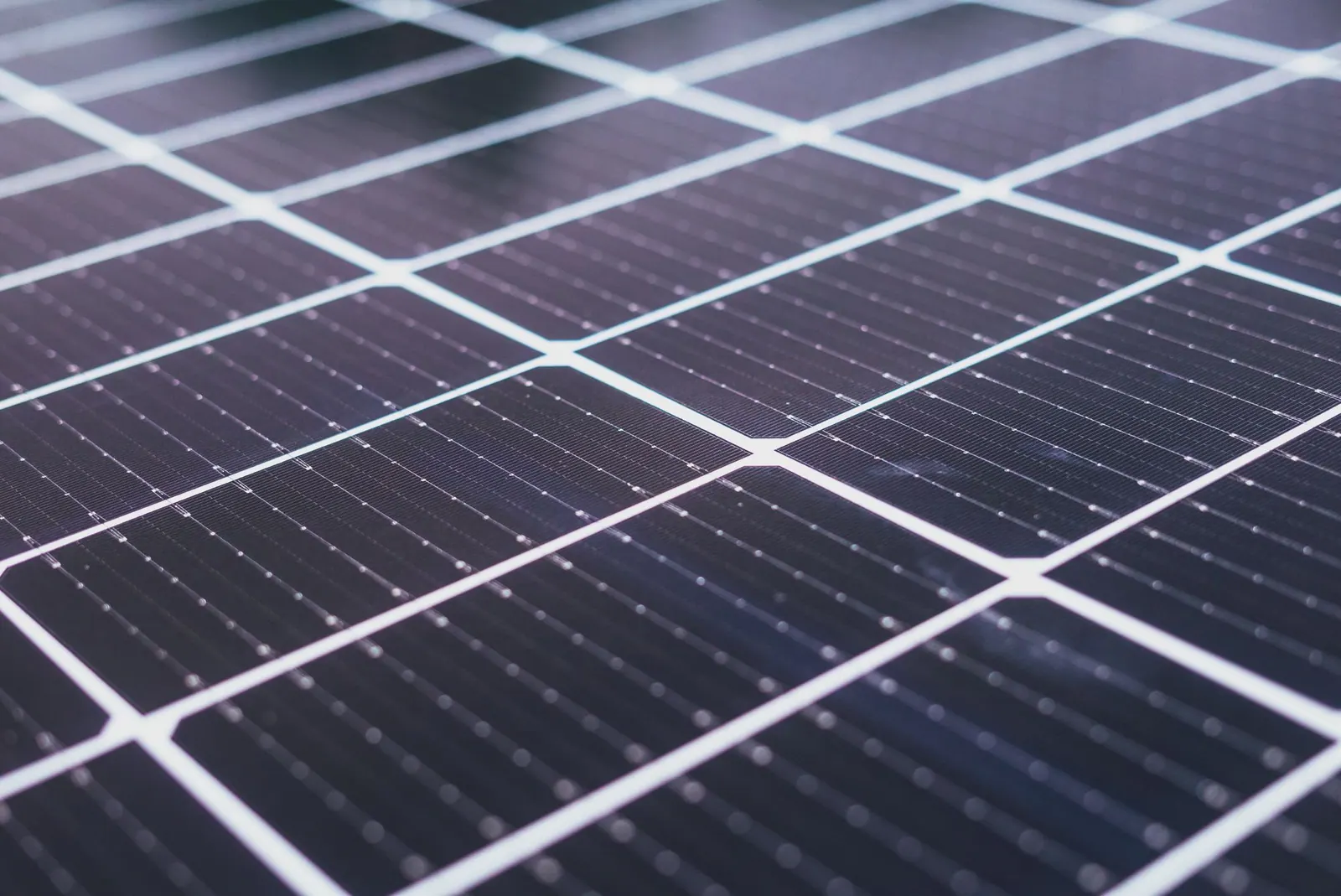
Flats, rentals and listed homes
Folkestone has a lot of converted flats in large Victorian houses, and many seafront properties are leasehold. If rooftop panels aren’t possible, an approved plug-in solar kit on a balcony, sunny wall or garden can still cut a bill by around £70 to £110 a year with no installer. Only buy an ENA-listed kit with no built-in battery and an inverter of 800 VA or less, as UK rules require. Plug-in panels can’t go on wooden or timber-clad surfaces, and listed buildings still need consent for anything fixed to them. Our guide to solar for flats and renters has the detail.
Areas we cover in Folkestone and Hythe
We pass quote requests to MCS-certified installers covering the whole district, postcodes CT18 to CT21 and TN28 to TN29. That includes Folkestone, Cheriton, Sandgate, Hawkinge, Capel-le-Ferne, Hythe, Saltwood, Lympne, Lyminge, Elham, Etchinghill, Dymchurch, St Mary’s Bay, New Romney, Littlestone, Greatstone, Lydd, Dungeness, Brookland and Newchurch. Use the form at the top of this page and we’ll find installers covering your postcode. Read how our quote service works.
Nearby, see our pages for Ashford, Dover and Deal and Canterbury.
Sources
Figures on this page come from PVGIS 5.3 (EU Joint Research Centre), Ofgem’s price cap for October to December 2026 and its typical consumption values, the Department for Energy Security and Net Zero’s 2025/26 solar PV cost data, Which? battery prices (October 2026), MoneySavingExpert export rates (November 2026), Folkestone and Hythe District Council’s Heritage Strategy Appendix 1 Theme 13 (Conservation Areas), its conservation area appraisals and Article 4 pages, the Hythe (May 2008) and Dungeness conservation area appraisals, the council’s solar projects page, the Kent Downs Renewable Energy Position Statement (June 2026) and gov.uk’s Warm Homes: Local Grant list. Checked on 24 November 2026.